Generator Exercise Settings: How Often Should a Standby Generator Run?
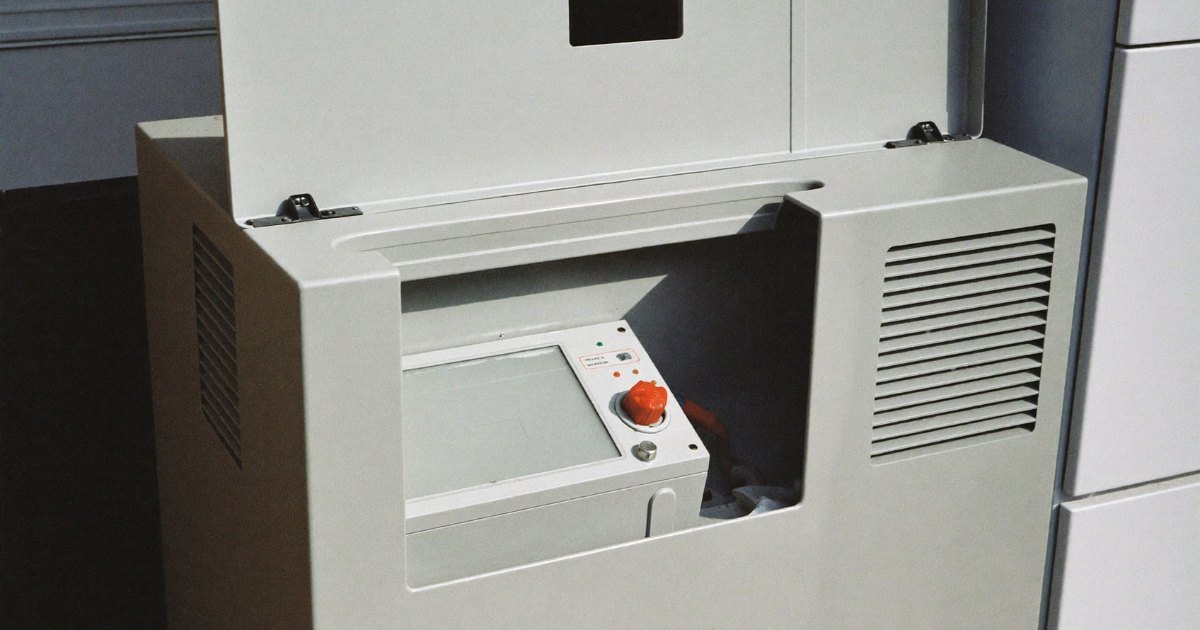
Standby generators exercise themselves weekly, biweekly or monthly for about 5 or 12 minutes. What the self-test does, how to set it and why weekly is safest.
 Kevin Garcia de Paz
Standby generators exercise themselves weekly, biweekly or monthly for about 5 or 12 minutes. What the self-test does, how to set it and why weekly is safest.
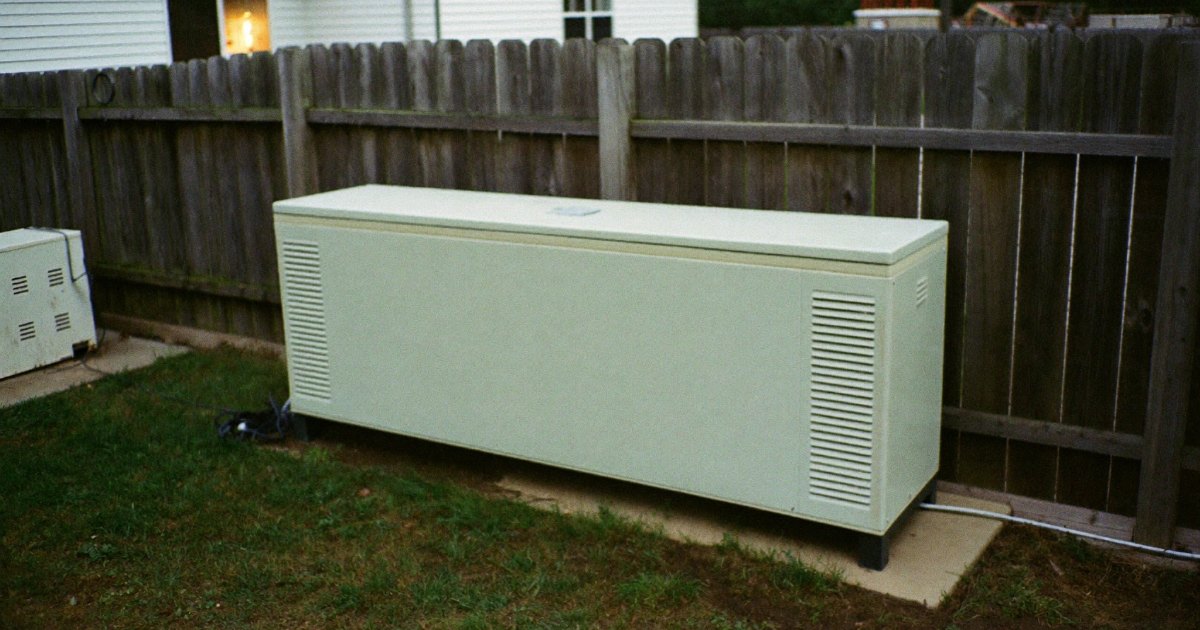
Home standby generators typically run at 61–67 dB(A) under load and 55–57 dB(A) during the weekly test. Published noise levels by model and how to keep the noise down.
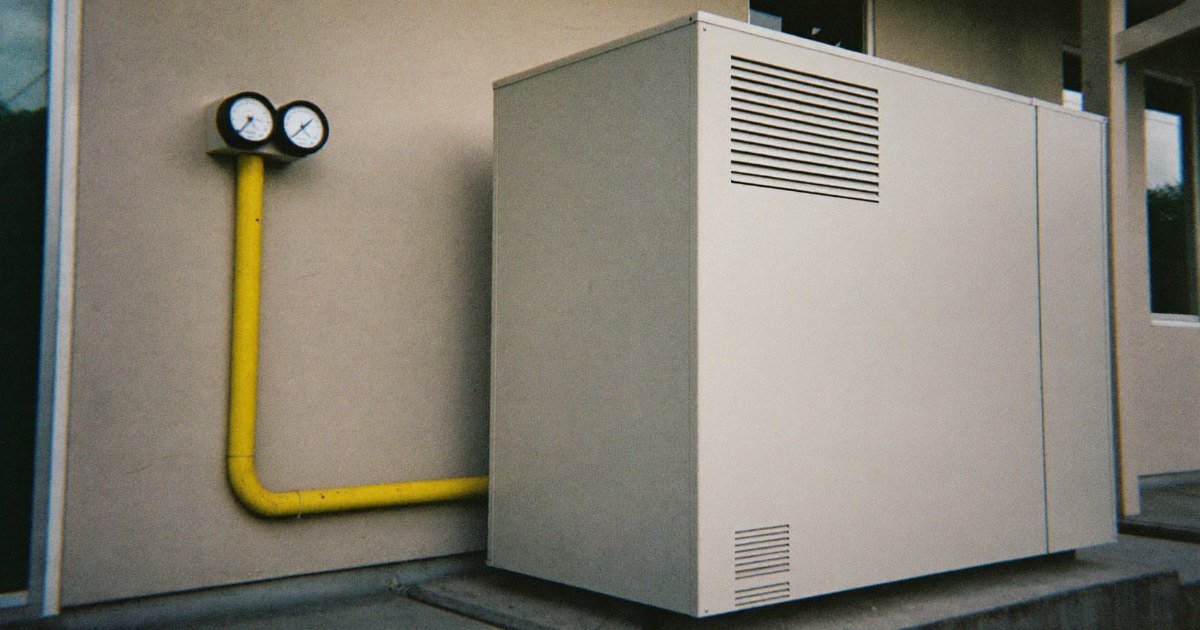
Air-cooled standby generators burn about 100–230 cubic feet of natural gas per hour at half load. Use and daily cost by size, gas meter checks and what a long outage costs.
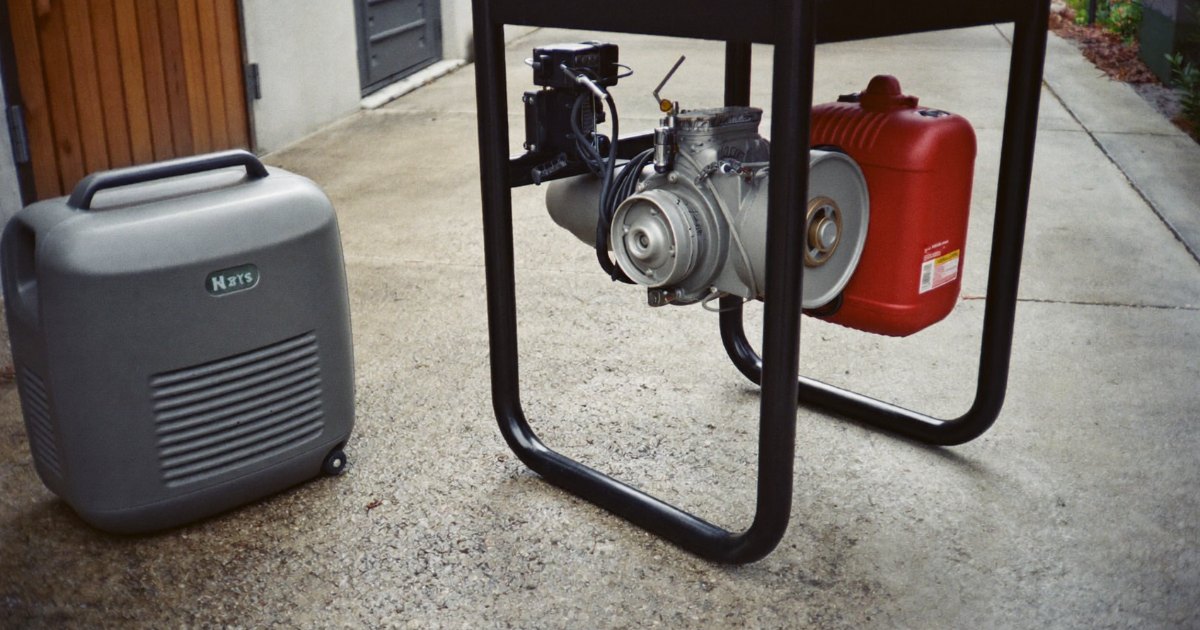
Inverter generators are quieter, cleaner and thriftier at light loads; conventional generators give more watts per dollar. Which one fits home backup.
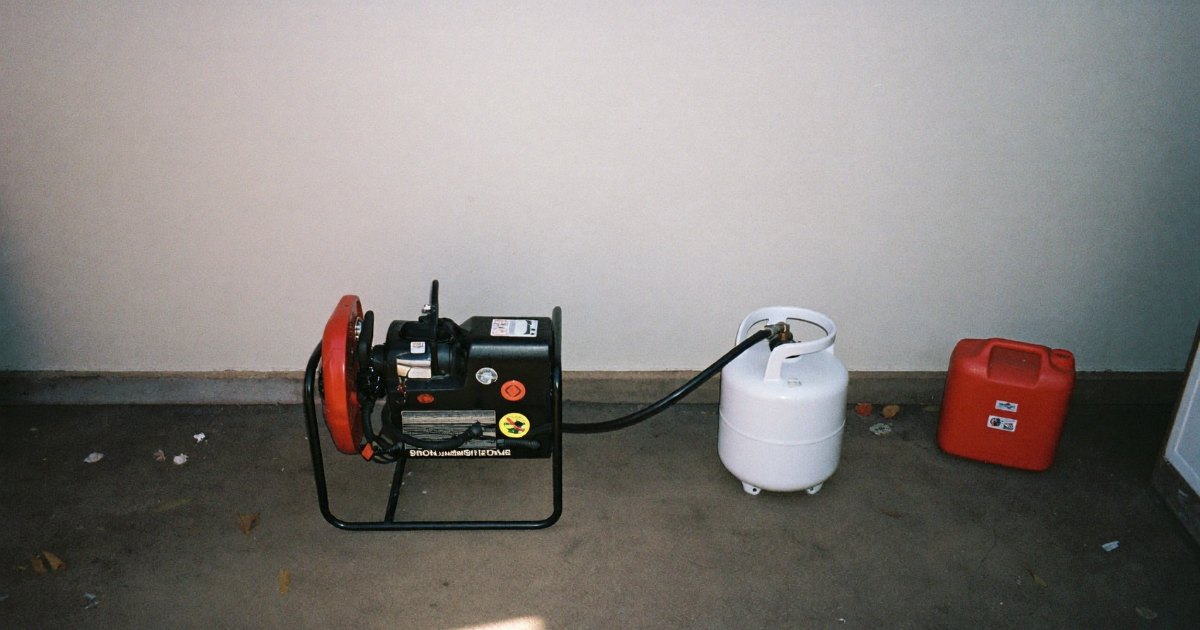
Dual fuel generators run on gasoline or propane; tri-fuel adds natural gas. Why dual fuel suits most homes, how long propane cylinders last and when tri-fuel makes sense.
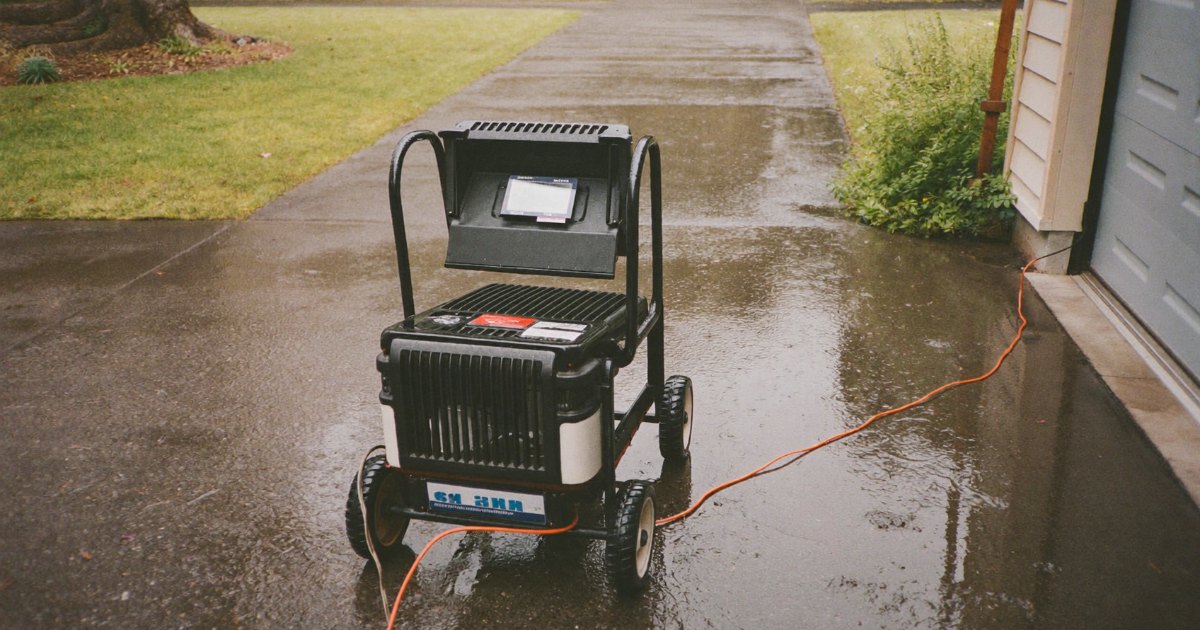
For home backup, choose a 5,000–9,500 running-watt portable with a 240 V outlet, electric start and automatic CO shut-off, ideally dual fuel. Features, sizes and total setup costs.
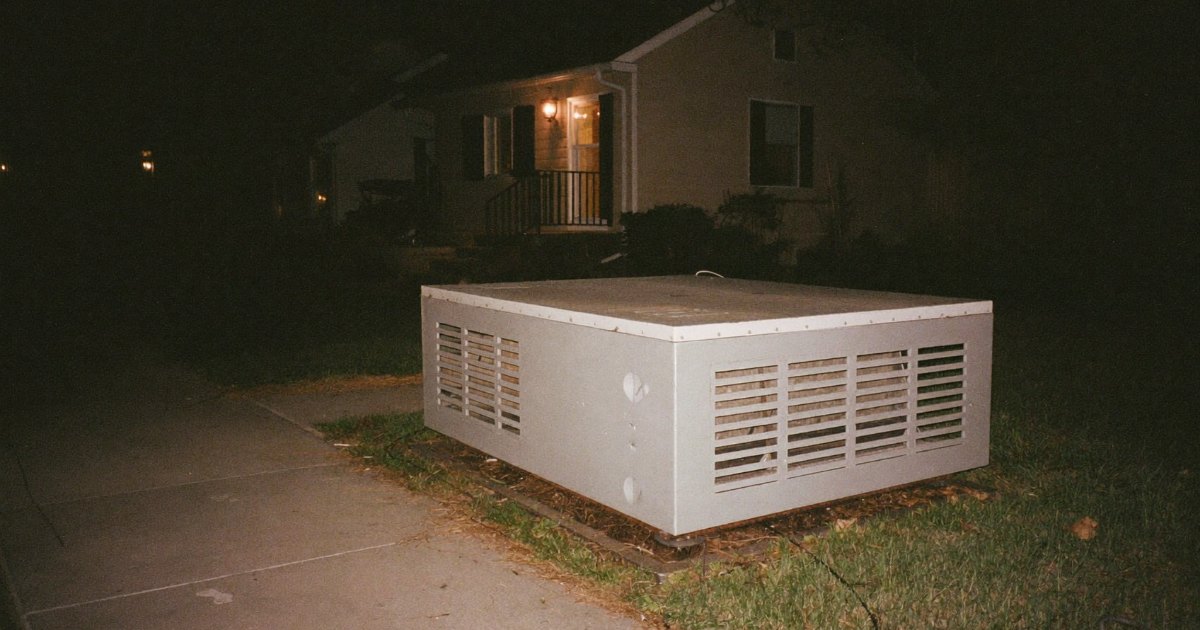
Standby generators can run for days, but Generac says to stop every 24 hours to check oil and change it every 200 hours (100 in extreme heat or cold). Portable runtimes and refueling rules.
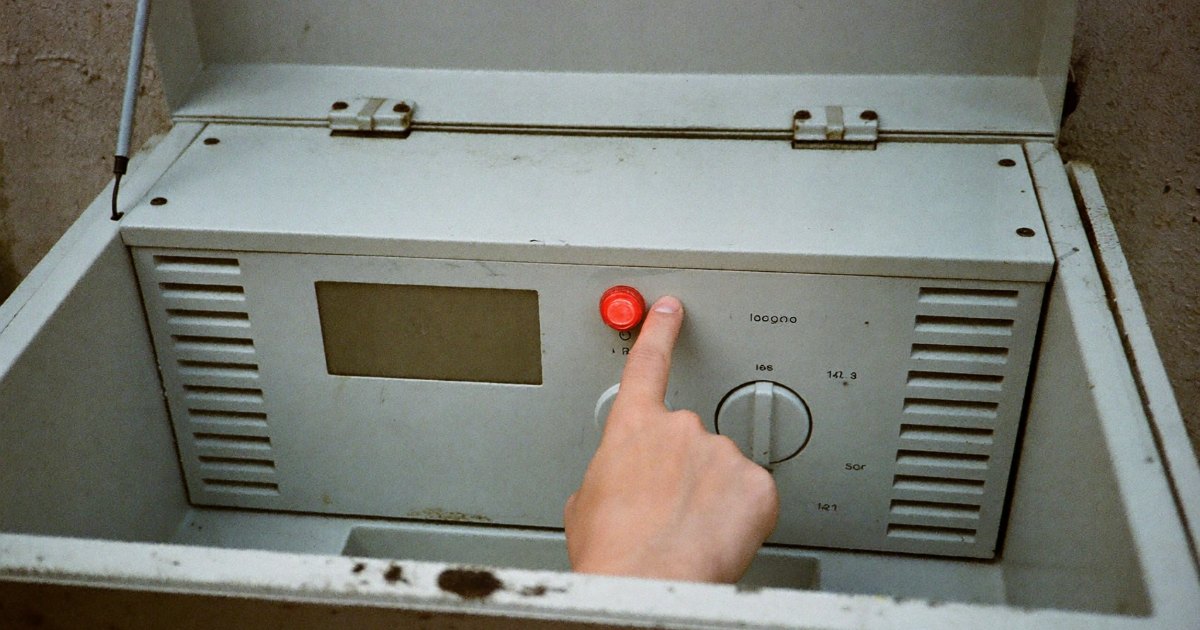
What Generac standby generator alarms like Overcrank, Low Oil Pressure, Overload and Low Battery mean, which ones you can fix yourself and which need a dealer.
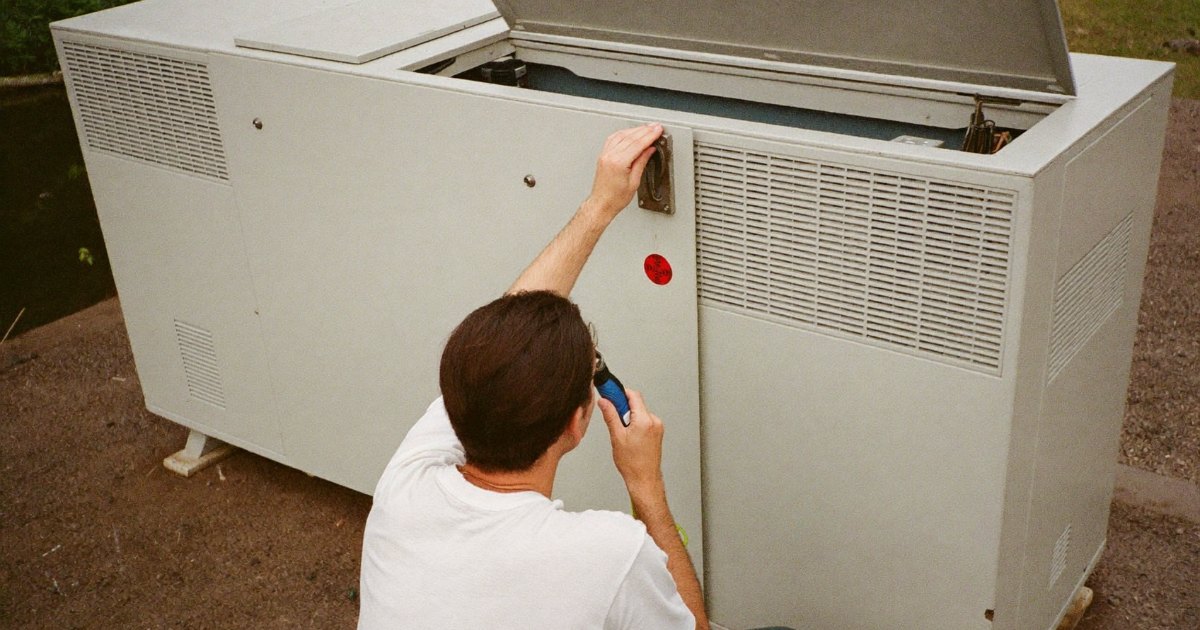
Most standby generator no-starts come down to the controller mode, a closed fuel valve, a weak battery or a blown fuse. Step-by-step checks from the owner’s manual and when to call a dealer.
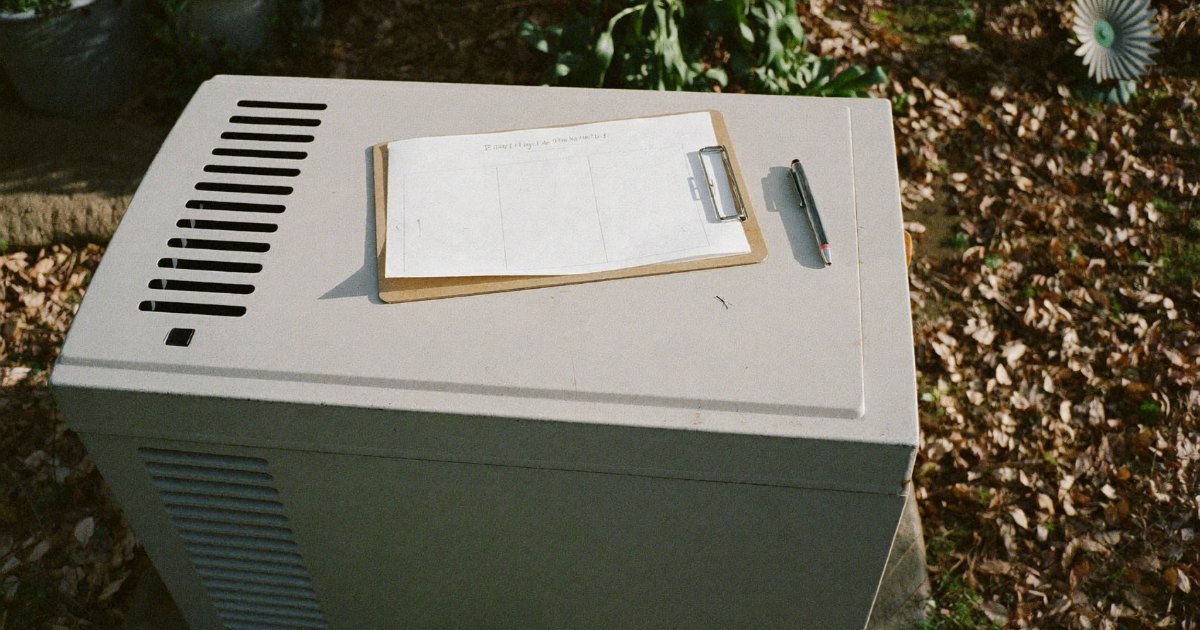
Oil and filter every 2 years or 200 hours (yearly or every 100 hours in cold or hot conditions), a bigger service every 4 years or 400 hours, plus monthly owner checks and a pre-storm routine.