Last verified: October 1, 2026
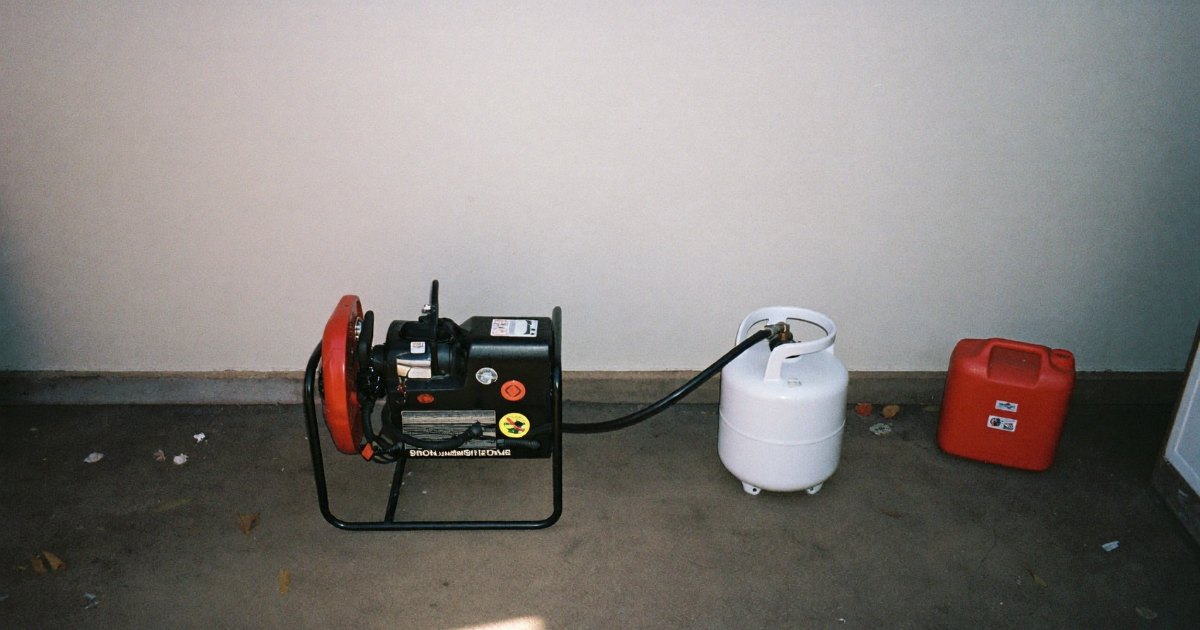
A dual fuel portable generator runs on gasoline or propane; a tri-fuel model adds natural gas. For most homeowners, dual fuel is the sweet spot: propane stores for years and is easy to keep on hand, while gasoline gives full power when you can get it. Tri-fuel only makes sense if you have a natural gas outlet where the generator will sit and are willing to have it connected properly.
What each fuel gives you
- Gasoline usually gives the highest rated output and can be bought at any gas station, but it goes stale in storage without a stabilizer, is hard to buy after storms when stations lose power, and means frequent refueling.
- Propane stores for years without degrading, burns cleaner and comes in 20 lb cylinders that are easy to swap. On the downside, output on propane is typically a little lower and cylinders run out quickly at high loads.
- Natural gas, on tri-fuel models, never runs out while the utility supply lasts and needs no refueling. It gives the lowest output of the three on most models, though, and needs a gas connection installed by a professional at the spot where the generator runs, which must still be outdoors and away from openings.
Exact output on each fuel varies by model: always compare the running watts printed for each fuel on the spec sheet, not just the headline number.
Why dual fuel suits most homes
- Storage: a few full propane cylinders can sit in a shed for years, ready for the next storm. Gasoline needs stabilizer and rotation.
- Availability after a disaster: gas stations need electricity to pump fuel. Having propane on hand gets you through the first days.
- Flexibility: start on propane, switch to gasoline if you need more output or run out of cylinders.
How long does a propane cylinder last?
It depends on the generator and load. A standard 20 lb grill cylinder holds about 4.7 gallons of propane, so even a mid-size portable at moderate load can empty it in a matter of hours. Plan on several cylinders, or a larger 100 lb cylinder, for a multi-day outage, and check your generator’s spec sheet for runtime on propane.
When tri-fuel makes sense
Tri-fuel can be attractive if your home has natural gas and you want unlimited runtime from a portable. But the generator still has to run outdoors, more than 20 feet from windows and doors, so you need a properly installed gas connection at that spot. Many homeowners who go this far find that a small standby generator makes more sense: it is permanently connected, starts by itself and needs no cords.
How the fuels compare in a real outage
Imagine a three-day outage with a mid-size dual fuel portable connected through an interlock kit, running a fridge, a sump pump, a furnace blower, lights and internet (about 3,225 W running; see our sizing guide).
Before the storm, the gasoline-only owner fills cans and worries about the fuel going stale if the storm misses, while the dual-fuel owner already has propane cylinders full in the shed from last season. On day 1, one runs on stored gasoline and refuels every several hours; the other starts on propane and swaps cylinders as needed. By day 2, gas stations without power can’t pump and there are queues at the ones that can, but the dual-fuel owner keeps using propane and only switches to gasoline if the cylinders run low. On day 3, the gasoline-only household is rationing fuel and turning loads off, while the dual-fuel household still has its remaining propane plus whatever gasoline is on hand.
The point isn’t that propane lasts forever (it doesn’t), but that having two fuels, one of which stores for years without going stale, gives you more options when supply chains are disrupted.
Storage rules for each fuel
- Gasoline: store only in approved containers, away from the house, heat sources and living spaces. Add a fuel stabilizer if it will sit for more than a few weeks, and rotate it into your car.
- Propane cylinders: keep them outdoors, upright, in a shaded, ventilated spot, never in a basement, garage or living area. Check cylinders for rust or damage before each season.
- Natural gas (tri-fuel): nothing to store, but the connection at the generator’s running location must be installed by a qualified professional with a proper shut-off valve.
Switching fuels safely
Follow the generator’s manual. Many dual fuel models let you select the fuel with a switch, some even while running; others need you to shut down first. Never connect or disconnect a propane cylinder near a running engine’s hot exhaust, and close the cylinder valve when you’re done. When refueling gasoline, always shut the engine off and let it cool first.
Does a dual fuel generator produce less power on propane?
Usually a little less, because propane contains less energy per unit of volume than gasoline. The spec sheet lists running and starting watts for each fuel; size your needs against the propane figure if you’ll mostly use propane.
Can I store propane cylinders indefinitely?
Propane itself doesn’t degrade like gasoline, which is its big advantage. The cylinders, however, have requalification or expiry rules and must be in good condition to be refilled; check the date stamped on the collar.
Is a tri-fuel generator worth it if I have natural gas?
Only if you’re prepared to have a proper gas connection installed at the outdoor spot where the generator runs, more than 20 feet from the house. At that point, compare the total cost with a small standby generator, which is automatic and permanently connected.
Buying tips
- Size the generator using its propane (lower) rating if you plan to run mostly on propane. Our size calculator gives you the watts you need.
- Look for an easy fuel selector switch that lets you change fuels without restarting.
- Choose a model with automatic carbon monoxide shut-off.
- Store propane cylinders outdoors, upright, away from the house, never in a basement or garage.
For the complete checklist of features, see How to Choose a Portable Generator for Home Backup.