
Last verified: October 1, 2026
Home batteries are quiet, need no fuel and produce no exhaust, but one battery stores a limited amount of energy. A generator is louder and needs fuel, yet it keeps going for days. For most homes the deciding question is simple: do your outages last hours or days?
The numbers that matter
| Home battery (one 13.5 kWh unit) | Home standby generator (14–22 kW) | |
|---|---|---|
| Typical installed cost | About $15,600 on average | About $6,000–$11,000 for most homes; more for large units |
| Power it can deliver at once | 11.5 kW continuous (Powerwall 3) | 14–22 kW |
| Energy stored | 13.5 kWh, then it needs recharging | Unlimited while gas supply lasts |
| Recharging during an outage | Only with solar panels | Not needed |
| Noise and exhaust | Silent, none | Engine noise, exhaust outdoors |
| Fuel cost during outages | None | Roughly $80 per day on natural gas at half load (22 kW) |
| Everyday use | Can store solar or cheap off-peak power | Only runs in outages and weekly self-tests |
| Federal tax credit | Ended for residential batteries after 2025 | None |
Battery cost: EnergySage reports an average of about $15,647 installed for a 13.5 kWh system, or $1,159 per kWh of storage (EnergySage). Powerwall 3 output: 11.5 kW continuous and up to 30 kW peak (Tesla Powerwall). Generator costs: HomeGuide. Fuel estimate from our generator cost breakdown.
How long will a battery actually last?
The average U.S. home used about 10,791 kWh of electricity in 2022, or roughly 30 kWh a day (EIA). One 13.5 kWh battery therefore covers less than half a normal day. The trick is to back up only what you need:
| What you keep running | Average draw (approx.) | Hours from 13.5 kWh |
|---|---|---|
| Fridge, Wi-Fi, a few lights, phone charging | 0.4–0.6 kW | 22–34 hours |
| Above + gas furnace blower in winter | 0.8–1.0 kW | 13–17 hours |
| Above + sump or well pump cycling | 1.0–1.5 kW | 9–13 hours |
| Normal household use with central AC in summer | 2.5–4 kW | 3–5 hours |
These are averages over time, not peak loads: appliances like fridges and pumps switch on and off. The hours assume you can use the full 13.5 kWh, which is the battery’s rated usable capacity. Real results vary with temperature, appliance efficiency and settings.
Solar changes the math
With rooftop solar, the battery can refill during the day, so a careful household can ride out a multi-day outage on essentials, as long as the weather is sunny. During a hurricane or ice storm with several cloudy days, solar output can drop sharply.
Which one should you choose?
A battery makes more sense if…
- Your outages are typically a few hours long.
- You already have, or plan to add, solar panels.
- Your utility has time-of-use rates, so the battery saves money every day, not only in outages.
- Noise, fuel storage or local rules make a generator difficult (some HOAs and dense neighborhoods).
A generator makes more sense if…
- Your outages often last more than a day, as after hurricanes and ice storms.
- You need to run central air, electric heat or a large well pump for long periods.
- You want whole-home coverage for a lower upfront cost.
- You have a natural gas line, or room for a propane tank.
Or both
Some homeowners combine solar and a battery for short, frequent outages and everyday savings, with a small generator for long emergencies. It is the most resilient setup and also the most expensive.
Don’t forget the portable options
Portable “power stations” (plug-in batteries from 1 to 5 kWh) can keep a fridge, a CPAP machine and phones running for a few hours to a day at a fraction of the cost. Like portable gasoline generators, they cover essentials rather than the whole house. See Standby vs Portable Generator for the generator side of that comparison.
Worked example: the same outage, two solutions
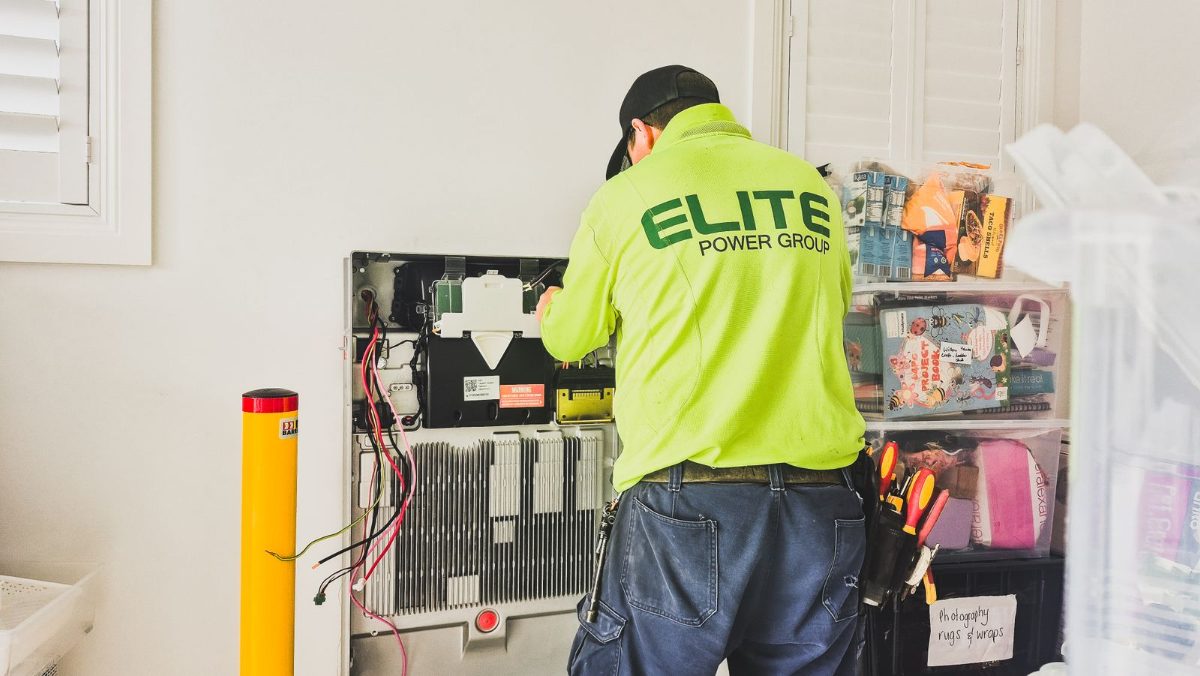
A family in a hurricane-prone area loses power for 3 days in late summer. They want to keep the fridge, internet, lights, a few fans and the gas furnace’s controls running, and use the AC some of the time.
| One 13.5 kWh battery, no solar | One battery + rooftop solar | 14 kW standby generator (natural gas) | |
|---|---|---|---|
| Essentials only (about 0.5 kW average) | About 27 hours, then empty | Can last the 3 days on sunny days | All 3 days |
| With some AC use (2.5–4 kW while running) | A few hours | Limited to sunny hours | All 3 days |
| Fuel or energy cost | None (if you can recharge) | None | About 195 cu ft/h at ½ load ≈ $70 per day |
| Noise | Silent | Silent | Engine hum outdoors |
Hours from the 13.5 kWh usable capacity divided by average load; generator fuel from Generac’s 14 kW figure at $15 per 1,000 cubic feet. The example shows the core trade-off: batteries are perfect for short outages and daily savings; generators win when outages last days and loads are heavy.
Battery plus generator: how hybrids work
Some homes combine a battery with a small generator. The battery handles short outages silently and covers the night; the generator runs for a few hours a day to recharge the battery and power heavy loads. That cuts fuel use and generator hours compared with running a generator around the clock. It is the most resilient option but also the most expensive, and the equipment must be designed to work together; ask installers who do both.
Questions to ask a battery installer
- How much usable capacity (kWh) and continuous power (kW) will I have?
- Which circuits will be backed up, and can the system start my AC or well pump?
- How does the system recharge during a long outage without solar?
- Are there state or utility incentives, now that the federal credit has ended?
- What happens to capacity over time, and what does the warranty guarantee?
Common questions
Can a battery run central air conditioning?
A single modern battery can usually start and run a typical central AC for a few hours, but it will drain the battery quickly. For long outages in hot climates, a generator or several batteries are needed.
Are there still tax credits for home batteries?
The federal residential clean energy credit (Section 25D) does not apply to expenses made after December 31, 2025 (IRS). Some states and utilities still offer battery rebates or programs that pay you to share stored power with the grid; check with your utility.
Which lasts longer, a battery or a generator?
Both are long-term purchases. Compare the warranty terms of the specific products you are quoted, including what happens to battery capacity over time and whether generator labor is covered.