Last verified: October 1, 2026
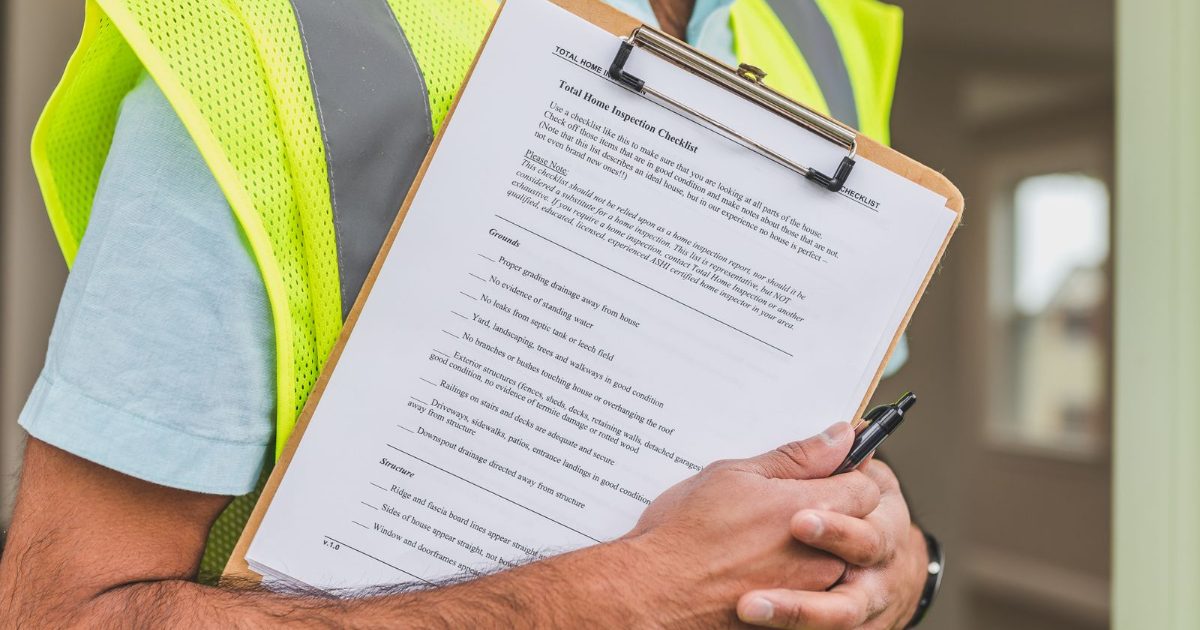
Most generator regrets come from questions nobody asked before signing: the unit was too small for the air conditioner, the gas meter needed an upgrade, or the “free” maintenance only lasted a year. Work through these 15 questions before you buy, and take the answers with you when you ask for quotes.
Part 1: Do you need one, and what kind?
- How long are your outages, really? Write down every outage longer than four hours in the last three to five years. Compare your state with our power outages by state table.
- What must keep running? List the essentials (fridge, sump or well pump, furnace, medical devices, internet) separately from the nice-to-haves (central AC, electric oven, dryer).
- Will someone always be home to start it? If not, only a standby generator starts automatically. See Standby vs Portable.
- Would a battery do the job? For outages of a few hours, it might. See Generator vs Battery Backup.
Part 2: Size and fuel
- What size do you need? Add up running watts and the biggest start-up surge. Our generator size calculator does it for you; an installer should confirm with a proper load calculation.
- Is your largest motor the problem? A central AC compressor often decides the size. Ask whether a soft starter would let you buy a smaller generator.
- Natural gas or propane? Natural gas costs roughly half as much per hour and never runs out; propane works anywhere but needs a large tank. Details in Natural Gas vs Propane.
- Can your gas meter handle it? A 22 kW generator can burn more than 300 cubic feet of natural gas per hour at full load. Ask your installer to confirm meter and pipe capacity with the gas utility before you sign.
Part 3: Installation
- Whole-home or essential circuits? A whole-home (service-rated) transfer switch lets everything run; an essential-circuits switch powers a selected list and allows a smaller generator.
- Where will it sit? Manufacturers and local codes set minimum distances from windows, doors, vents and property lines. Ask the installer to show you the placement on a sketch.
- Who pulls the permits? Most areas require electrical and, for gas, plumbing or mechanical permits and an inspection. The quote should say who handles them and whether fees are included.
- What exactly is in the quote? Generator, transfer switch, pad, gas line, electrical work, permits, startup and registration. Anything missing is a future extra.
Part 4: Ownership
- What does the warranty cover? Many home standby units carry a 5-year limited warranty. Ask whether labor and travel are included, and whether the warranty requires dealer installation or registration.
- What does maintenance cost? Ask for the yearly service price in writing, and what it includes (oil, filters, battery test, software updates).
- Who will service it after a big storm? After hurricanes, dealers are swamped. A local dealer with technicians nearby is worth more than a slightly cheaper quote from far away.
Worked example: answering the checklist
Here’s how one homeowner in North Carolina worked through the questions:
- Outages: two outages over 24 hours in five years, both after hurricanes. North Carolina averaged 24 hours without power in 2024 per EIA data.
- Must-run: fridge, sump pump, gas furnace blower, internet, a CPAP; nice-to-have: 3-ton central AC.
- Someone home? Often away on weekdays, so an automatic standby unit makes sense.
- Size: the calculator gave a peak of about 12,825 W with the AC, 4,825 W without.
- Fuel: natural gas at the house; the installer confirmed the meter could handle a 14 kW unit.
- Decision: a 14 kW standby generator with a 200 A load-managed switch, and a soft starter on the AC.
The checklist turned a vague “we should get a generator” into a specific, defensible specification that three installers could quote on equally.
Two more examples: when the checklist says “smaller” or “not yet”
The checklist is just as useful when it talks you out of a big purchase. Here are two contrasting cases, worked through the same way.
A townhouse in Arizona
- Outages: a handful in five years, none longer than three hours. Arizona customers averaged about 1.5 hours without power in 2024 in the EIA data.
- Must-run: refrigerator, internet and phone charging. No sump pump, no well, no medical equipment. Central air is a nice-to-have, but outages are short.
- Someone home? Yes, most days.
- Size: about 1,000 W running for the fridge, router and chargers.
- Decision: no standby generator. A portable battery power station for the router and phones, and the habit of keeping the fridge closed during an outage, cover this household’s real risk for a small fraction of the cost.
A rural home in Kentucky on a well, with propane
- Outages: several each winter, with one ice storm outage of more than two days. Kentucky averaged about 12.6 hours a year across 2023 and 2024.
- Must-run: a 1 HP well pump (no power means no water), refrigerator, chest freezer, propane furnace blower, lights. No central air.
- Someone home? Usually, but the owners travel in winter.
- Size: about 4,400 W running and 6,400 W at peak when the well pump starts.
- Fuel: propane already on site, but the existing tank is sized for the furnace only.
- Decision: a 10–14 kW standby unit on an essential-circuits transfer switch, plus a larger propane tank so a multi-day outage in January doesn’t empty it. Here the deciding questions were water supply and fuel storage, not air conditioning.
Notice that the three households in this guide ended up with three very different answers, from a small battery to a whole-house system. That is the point of the checklist: the right purchase depends on your outages, your must-run list and your fuel, not on what a neighbor or an advert recommends.
When to start the process
A standby generator is not a same-week purchase. Between quotes, the load calculation, permits, a possible gas meter upgrade, installation and the final inspection, the process usually takes weeks, and longer after a major storm, when every installer in the region is busy. If you live in a hurricane state, the best time to work through this checklist is in winter or early spring, well before the season starts. Our generator installation timeline explains each step and where delays usually come from.
How to use the checklist with installers
- Fill in the summary table below before any site visit.
- Give every installer the same answers, so the quotes are comparable.
- Ask each installer to explain where they agree or disagree with your sizing and why.
- Compare the quotes line by line, using our questions to ask a generator installer.
Printable summary
| Question | Your answer |
|---|---|
| Longest outage in last 5 years | |
| Must-run appliances | |
| Calculator result (running / peak watts) | |
| Fuel available (gas line / propane) | |
| Whole-home or essential circuits | |
| Budget, installed | |
| Three quotes received from |
The three answers that change everything
Of the 15 questions, three tend to decide the whole project:
- Outage length (question 1): it decides whether a standby unit is worth it at all, or whether a portable or battery is enough.
- Central air (question 6): it usually decides the generator size, and therefore the price, more than anything else.
- Fuel and meter (questions 7 and 8): natural gas output is lower, and a meter upgrade can add cost and weeks.
If you only have time to research three things, research these.
Red flags in a quote
- A size recommendation without a load calculation or a visit.
- No mention of permits or the gas meter.
- Pressure to sign the same day “before prices go up” right after a storm.
- A price that leaves out the transfer switch, pad or gas line.
- A suggestion to connect a portable generator through a dryer outlet or a “suicide cord”. Backfeeding is illegal and can electrocute utility workers.
For typical prices by generator size, see Is a Whole House Generator Worth It?