
Last verified: October 1, 2026
Short answer: a 14 kW generator covers essentials and some comfort loads in most homes; a 22 kW unit covers a typical 2,000–3,000 sq ft home including a 3–4 ton central AC; a 26 kW unit is for larger homes, 5-ton AC or two AC systems. The right choice depends on your biggest motor load and whether you will run on natural gas, which lowers each generator’s output.
The three sizes side by side
| 14 kW | 22 kW | 26 kW | |
|---|---|---|---|
| Output on propane / natural gas | 14 / 14 kW | 22 / 19.5 kW | 26 / 22.5 kW |
| Amps at 240 V (natural gas) | 58.3 A | 81.3 A | 93.8 A |
| Natural gas at ½ load | 195 cu ft/h | 228 cu ft/h | 188 cu ft/h |
| Natural gas at full load | 256 cu ft/h | 327 cu ft/h | 333 cu ft/h |
| Estimated installed cost (unit + typical installation) | $6,000–$9,500 | $7,500–$17,000 | Top of the 22–25 kW range or above |
| Realistic coverage | Essentials + small AC or a few big appliances | Most homes including 3–4 ton AC | Large homes, 5-ton AC, two AC units, electric heat strips |
Ratings, amps and fuel use: Generac Guardian models 7223, 7042 and 7290 from the Guardian Series brochure. Installed costs: HomeGuide. Other brands’ sizes are similar but not identical; compare spec sheets.
Why natural gas changes the answer
Air-cooled generators make less power on natural gas than on propane. In Generac’s Guardian brochure, the 22 kW model delivers 19.5 kW on natural gas and the 26 kW model 22.5 kW (newer versions of some models list higher natural gas ratings, such as 21 kW for the current 22 kW unit). If your load calculation says you need 21 kW and you run on natural gas, a “22 kW” generator is not enough; the 26 kW is.
Which size for which home?
14 kW: essentials plus some comfort
- Fridge, freezer, sump or well pump, gas furnace, lights, outlets, internet, microwave.
- A small central AC (2 tons) or a few window units, ideally with a soft starter.
- Usually paired with an essential-circuits or load-managed transfer switch.
22 kW: the common whole-home choice
- Everything above, plus a 3–4 ton central AC, washer, dishwasher and most of the home’s circuits.
- Large electric loads (electric range, dryer, water heater) work if they don’t all start at once; load management helps.
26 kW: large homes and heavy loads
- 5-ton AC or two AC systems, homes over roughly 3,500 sq ft, or heat pumps with electric backup heat strips.
- Even at this size, electric heat strips and multiple big appliances may need load management.
Check it with real numbers
Square footage is only a rough guide; your appliances decide the size. Our worked examples show a typical house with a 3-ton AC peaking around 16.4 kW (an 18 kW unit) and the same house with a 5-ton AC around 21.9 kW (a 22 kW unit on propane, or 26 kW on natural gas). Run your own home through the generator size calculator and read What Size Generator Do I Need? for the method.
Three example homes
| Home | Key loads | Peak load (our method) | Fits |
|---|---|---|---|
| 1,600 sq ft, gas heat, 2-ton AC | Essentials + 2-ton AC | About 10,225 W | 14 kW on either fuel |
| 2,400 sq ft, 3-ton AC, laundry | Essentials + microwave, washer, dishwasher + 3-ton AC | About 16,375 W | 22 kW (18 kW on propane is a tight but valid fit) |
| 3,200 sq ft, 5-ton AC, laundry | Same + 5-ton AC | About 21,875 W | 22 kW on propane; 26 kW on natural gas |
Peaks calculated as in our sizing guide, using typical appliance wattages; essentials are a fridge, sump pump, furnace blower, lights and TV. On natural gas, compare the peak with each model’s natural gas rating: 14 kW, 19.5 kW and 22.5 kW for the three Generac models in the table above.
Fuel use at each size
Bigger isn’t always thirstier. At half load, Generac lists 195 cu ft/h of natural gas for the 14 kW, 228 for the 22 kW and 188 for the 26 kW. At full load, consumption rises to 256, 327 and 333 cu ft/h respectively. A larger unit running lightly can be about as economical as a smaller unit working hard. See How Much Natural Gas Does a Generator Use?
Physical size and installation
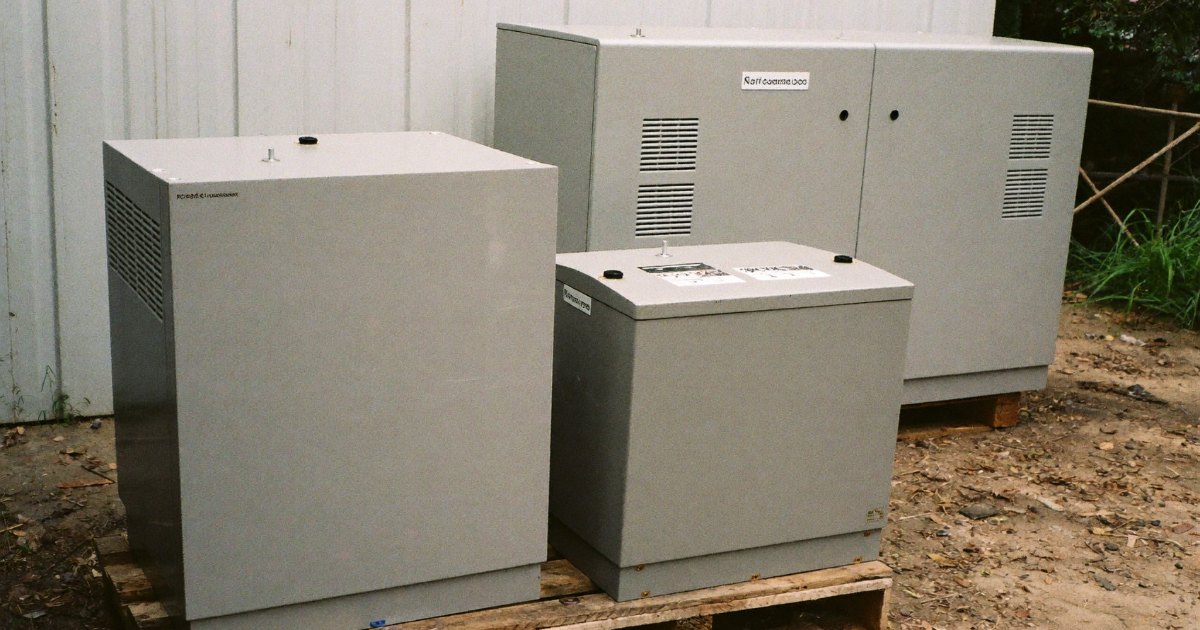
All three Generac Guardian units in this comparison share a similar air-cooled enclosure footprint, so the location and pad usually don’t change between them. What can change is the gas supply: the 22 and 26 kW units need over 300 cubic feet per hour at full load, which may require a meter upgrade. Ask your installer early. See Hidden Generator Installation Costs.
Frequently asked questions
Is a 22 kW generator enough for a 3,000 sq ft house?
Often, yes, especially with a single 3–4 ton AC and gas heat. Square footage is only a rough guide; the AC size, electric heat and well pump matter far more. Run the numbers with our calculator.
Should I buy 26 kW “just in case”?
Only if your load calculation or natural gas derating calls for it. A larger unit costs more to buy and install and burns slightly more fuel at full load.
What if I add a pool or EV charger later?
Tell your installer now. Large future loads can usually be handled with load management rather than a bigger generator, but it’s easier to plan for them from the start.
The case against “bigger is safer”
It’s tempting to buy the largest unit you can afford so you never have to think about loads again. Sometimes that’s right: a large house with a 5-ton AC, two condensers or electric heat strips genuinely needs 22–26 kW. But for an average home, oversizing has real costs. The unit itself costs more, and so may the installation, because a bigger generator can need a larger gas supply and, on propane, a bigger tank to cover the same number of days.
Fuel use is less clear-cut than people expect. Generac’s own figures show its 26 kW burning less natural gas at half load than its 22 kW (188 against 228 cubic feet per hour), because the models use different engines. So the size alone doesn’t tell you the running cost; the spec sheet does. What a bigger unit does reliably add is purchase price, and the “headroom” you pay for may simply never get used.
The better insurance is a proper load calculation, a soft starter on a large air conditioner and load management on the few appliances that could overload the generator. Together, they usually let a home step down one size with no loss of comfort, and the money saved can pay for a maintenance plan for years.
Cost of stepping up
Going from 14 kW to 22 kW typically adds a few thousand dollars installed and slightly higher fuel use at full load. It is worth it if you want central air during summer outages or have a large home. If you don’t, a 14 kW unit with smart load management is often the better value. See full price ranges in Whole House Generator Cost.