Air-Cooled vs Liquid-Cooled Generators: Which One Does Your Home Need?
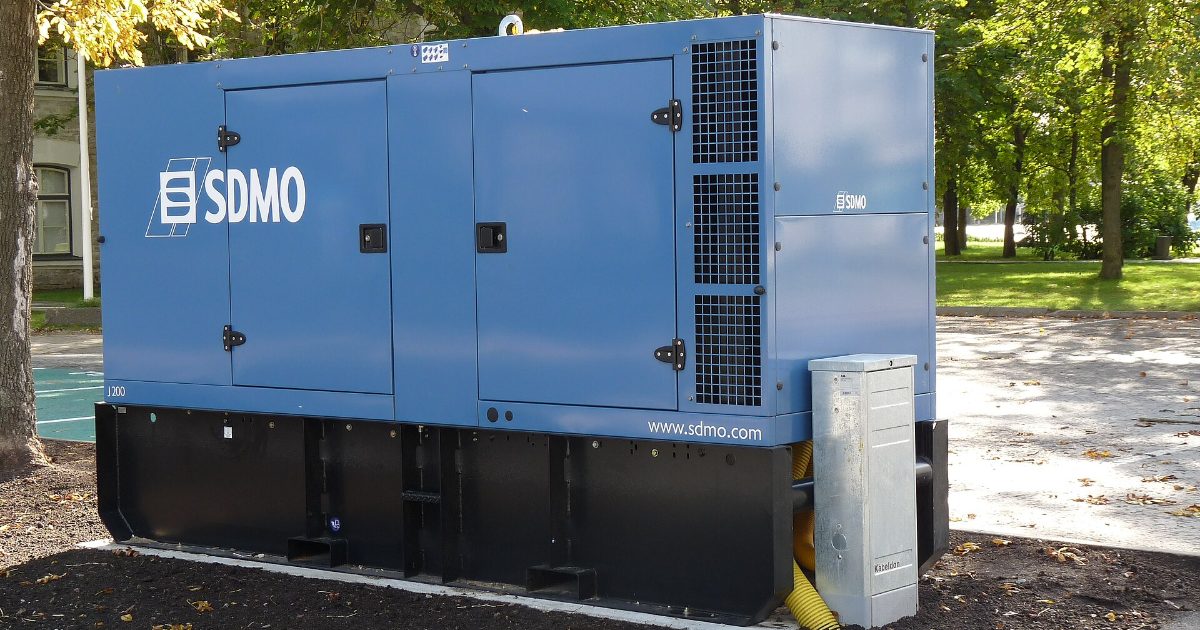
Home standby generators up to about 26 kW are air-cooled; larger units are liquid-cooled. Differences in size, noise, maintenance and price, and when a home needs liquid-cooled.

Standby generator warranties differ in parts vs labor, travel, hour limits and registration rules. Brand warranties compared and six things to check before you buy.
Champion’s 14 kW aXis offers a 10-year warranty, a 200 A switch and 62 dB(A); Generac’s 14 kW keeps full power on natural gas and has the biggest dealer network. Side-by-side comparison.
Where to put a standby generator: 5 feet from windows and doors, open space above and around, close to the gas meter and panel, and away from bedrooms. Clearance table and neighbor tips.
Load management temporarily switches off big appliances when a standby generator nears its limit, so a smaller unit can run the whole house. How it works, what it costs and an example.
Installing a standby generator takes one to two days on site, but permits, gas meter upgrades and inspections often stretch the process to weeks or months. Step-by-step timeline.
Plugging a generator into a wall or dryer outlet can electrocute line workers, start fires and destroy the generator. Why backfeeding is dangerous and the safe ways to connect.
A pre-season checklist for standby and portable generators: service, fuel, oil, clearing vents, flood risk, CO alarms and what to do when a storm is forecast.
A dealer maintenance plan is worth it if you want hands-off service, documented records and priority after storms. What plans include, plan vs DIY and questions to ask.
Change standby generator oil after 25 hours of break-in, then every 2 years or 200 hours (yearly or 100 hours in extreme temperatures). Which oil Generac recommends and emergency alternatives.