Last verified: October 1, 2026
Backfeeding means connecting a generator to your home’s wiring through a regular outlet, usually with a “double male” cord plugged into a wall or dryer outlet. It is dangerous for three reasons: it can send electricity back into the utility lines and electrocute line workers, it can overload and burn the wiring in your house, and it can destroy the generator when utility power returns. It is also illegal in many places and against electrical codes. The safe alternative is an interlock kit or transfer switch installed by a licensed electrician.
How backfeeding hurts people
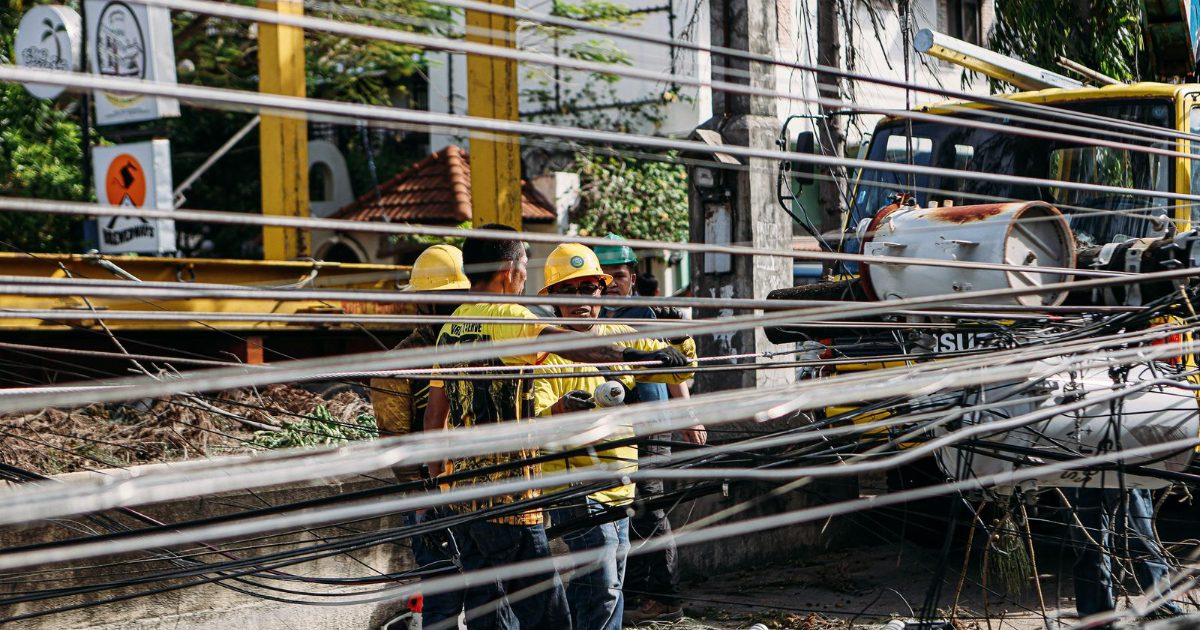
The transformer on the pole works in both directions. If your generator pushes 240 volts into your house wiring while the main breaker is on, that power flows out to the utility transformer, which steps it up to thousands of volts on the distribution line. A line worker repairing a “dead” line after a storm can be electrocuted. Neighbors connected to the same transformer can also be exposed.
How it damages your home and generator
- Fire risk: a household outlet and its wiring are not designed to carry the generator’s full output in reverse. Overheated wiring inside walls can start a fire.
- Exposed live pins: a double-male cord has live metal prongs on the unplugged end. Touching it can kill.
- Generator damage: when utility power is restored while the generator is still connected, the two sources collide, which can wreck the generator and damage appliances.
- Insurance and liability: damage or injuries caused by an illegal connection may not be covered.
The safe ways to connect a generator
| Method | How it prevents backfeeding | Best for |
|---|---|---|
| Extension cords to appliances | The generator never touches the house wiring | A fridge and a few lamps, short outages |
| Interlock kit + inlet box | The main breaker and generator breaker can never be on at the same time | Portable generators, flexible circuit choice |
| Manual transfer switch + inlet box | Each circuit is connected to utility or generator, never both | Portable generators, simple operation |
| Automatic transfer switch | Switches the whole house or selected circuits automatically | Standby generators |
Compare the two portable options in Interlock Kit vs Transfer Switch, and see how the automatic version works in How a Generator Transfer Switch Works.
“I’ll just turn off the main breaker”
Some people argue that switching off the main breaker before backfeeding makes it safe. In practice it relies on remembering every time, in the dark, in a storm, and on nobody else in the house turning the main back on. It still leaves live pins on a double-male cord and overloads a single outlet circuit. That is why codes require a mechanical interlock or a transfer switch instead of a habit.
How much a safe connection costs
| Option | Typical installed cost |
|---|---|
| Interlock kit (kit, supplies and labor) | $400–$850 |
| Manual transfer switch | $400–$1,300 |
| Power inlet box | $20–$100 (part) |
| Heavy-duty generator cord | $30–$350 |
Costs from HomeGuide’s transfer switch cost data (2026). Compared with the risks of a fire, an injury to a line worker, or a destroyed generator, it’s a small price.
What to do if you’ve been backfeeding
- Stop using the double-male cord and dispose of it.
- Until you have a proper connection, run only extension cords from the generator to individual appliances, with the generator outdoors and more than 20 feet from the house.
- Have a licensed electrician check the outlet and circuit you used, since overheating may have damaged the wiring.
- Get a quote for an interlock kit or transfer switch, and ask about the permit.
Step by step: connecting a portable generator the right way
- Before any outage: have a licensed electrician install an interlock kit or transfer switch and an outdoor power inlet box, with the permit your town requires.
- Place the generator outdoors on dry, level ground, more than 20 feet from windows, doors and vents, with the exhaust pointing away from the house.
- Connect the cord to the inlet box first, then to the generator’s 240 V outlet.
- Turn off the main breaker and the branch breakers, then engage the interlock (or set the transfer switch to generator).
- Start the generator and let it stabilize for a minute.
- Turn on circuits one at a time, largest motors first, staying within the generator’s running watts.
- When utility power returns, reverse the steps: generator breaker off, interlock back, main breaker on, then shut the generator down and let it cool before disconnecting.
Done this way, there is never a path for generator power to reach the utility lines, and never a moment when the two sources are connected together. For details on each option, see Interlock Kit vs Transfer Switch.
Signs your setup is unsafe
- Any cord with two male plugs.
- A generator plugged into a dryer, range or wall outlet.
- Breakers that can be on for both utility and generator at the same time.
- Generator cords run through a partly open window or door.
Frequently asked questions
Is backfeeding illegal everywhere?
Electrical codes in the U.S. require approved transfer equipment for connecting a generator to a building’s wiring, and many states and utilities explicitly prohibit backfeeding. Even where enforcement is rare, the safety risk is the same.
Can the utility tell if I backfeed?
Sometimes, but that’s not the point: the danger is to the people working on the lines, to your house and to your generator.
Is a transfer switch required for a standby generator?
Yes. Every standby generator is installed with an automatic transfer switch, which is what makes it safe and automatic. See How a Transfer Switch Works.
Bottom line
If you own a portable generator, budget a few hundred dollars for a professionally installed interlock kit or transfer switch along with the generator. It is the cheapest insurance you will ever buy. And run the generator outdoors, far from windows and doors: see Generator Carbon Monoxide Safety.