Hidden Generator Installation Costs: Gas, Electrical, Pad and Permits
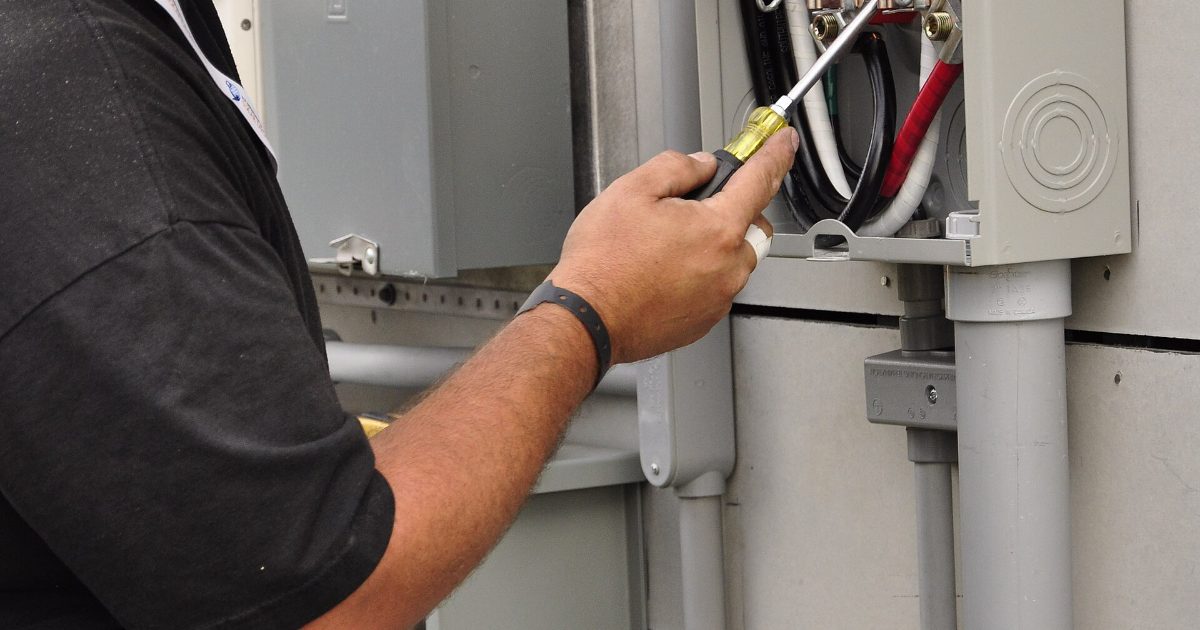
Gas meter upgrades, panel work, concrete pads, permits and yearly maintenance can add thousands to a standby generator quote. What to ask before you sign.
Gas meter upgrades, panel work, concrete pads, permits and yearly maintenance can add thousands to a standby generator quote. What to ask before you sign.

A fridge, sump pump and 1 HP well pump need about 4,200 running and 5,800 starting watts. Step-by-step math, what to add for comfort and the 240-volt well pump catch.
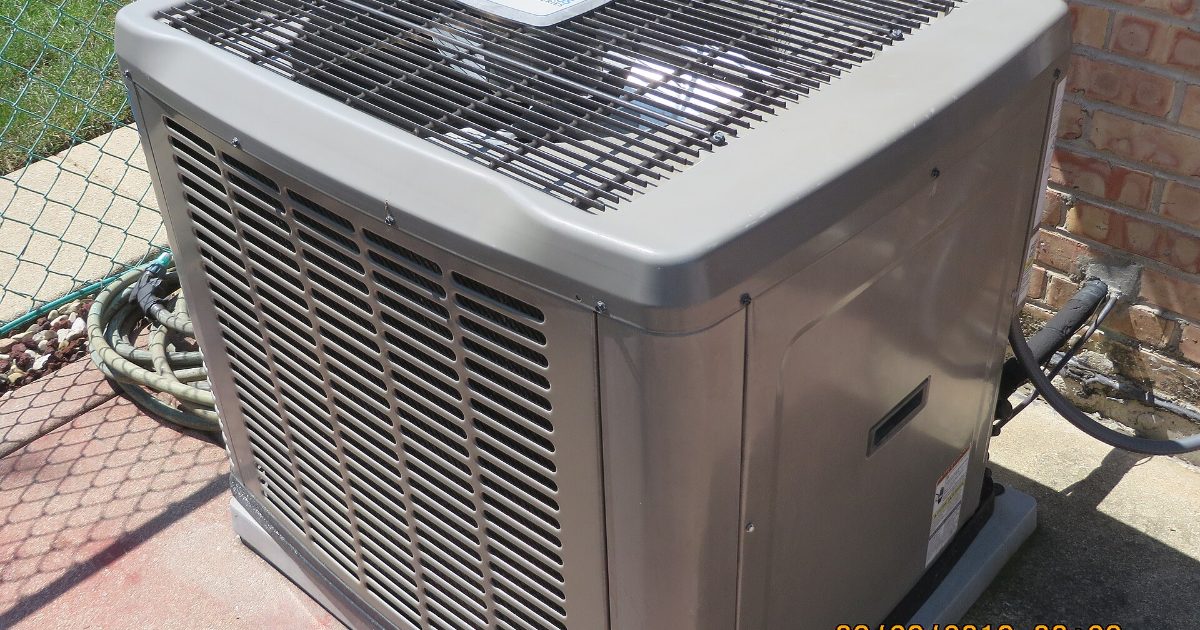
Most homes need 14 kW for a 2–3 ton AC, 18 kW for 4 tons and 22 kW for 5 tons; a soft starter can drop one or two sizes. Table, natural gas derating and heat pump notes.
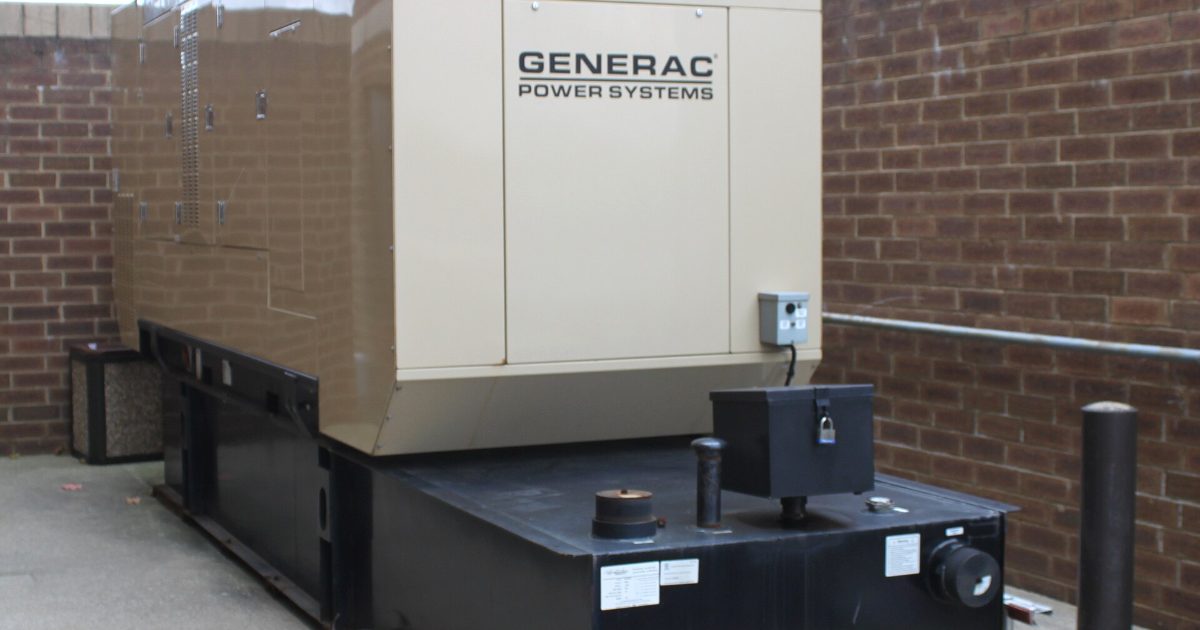
A 14 kW generator covers essentials, 22 kW most homes with central air, 26 kW large homes or 5-ton AC. Outputs on natural gas vs propane, fuel use and costs compared.
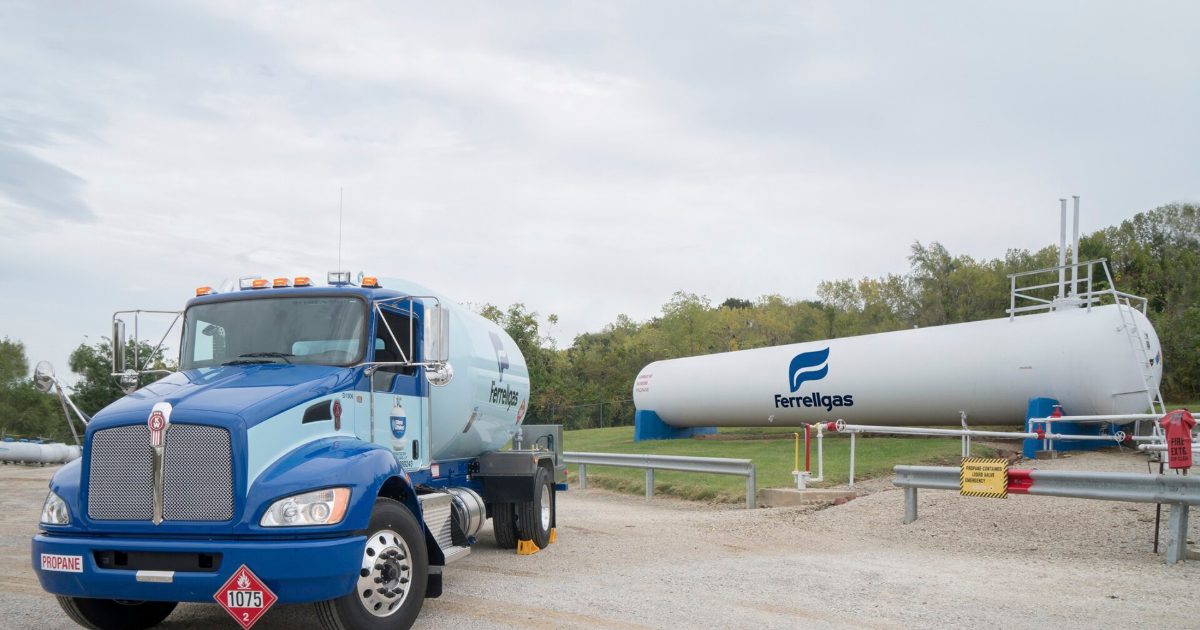
A 22 kW standby generator burns about 2.5 gallons of propane an hour at half load, roughly 60 gallons a day. Use by size, cost per day and how long 250, 500 and 1,000-gallon tanks last.
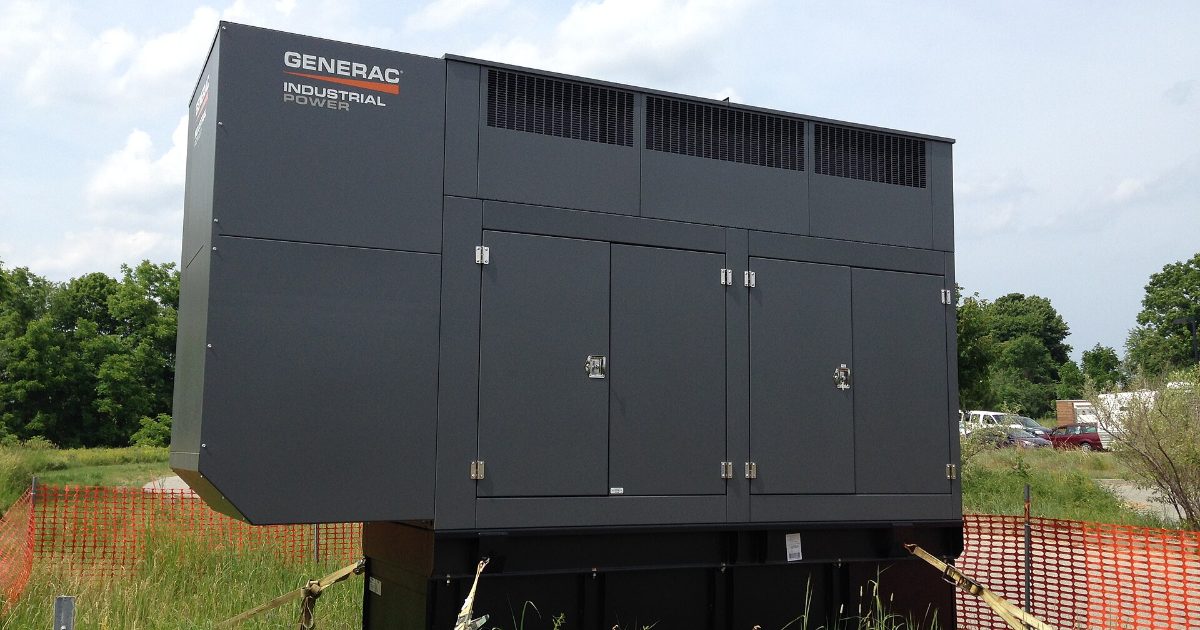
Installed standby generator prices by size, from $5,000–$8,000 for 7–10 kW to $7,500–$17,000 for 22–25 kW, plus where the money goes and fuel cost per day by model.
Most homes need a 10–14 kW standby unit for essentials or 18–26 kW for whole-house power with central air. Step-by-step sizing with appliance wattages and three worked examples.
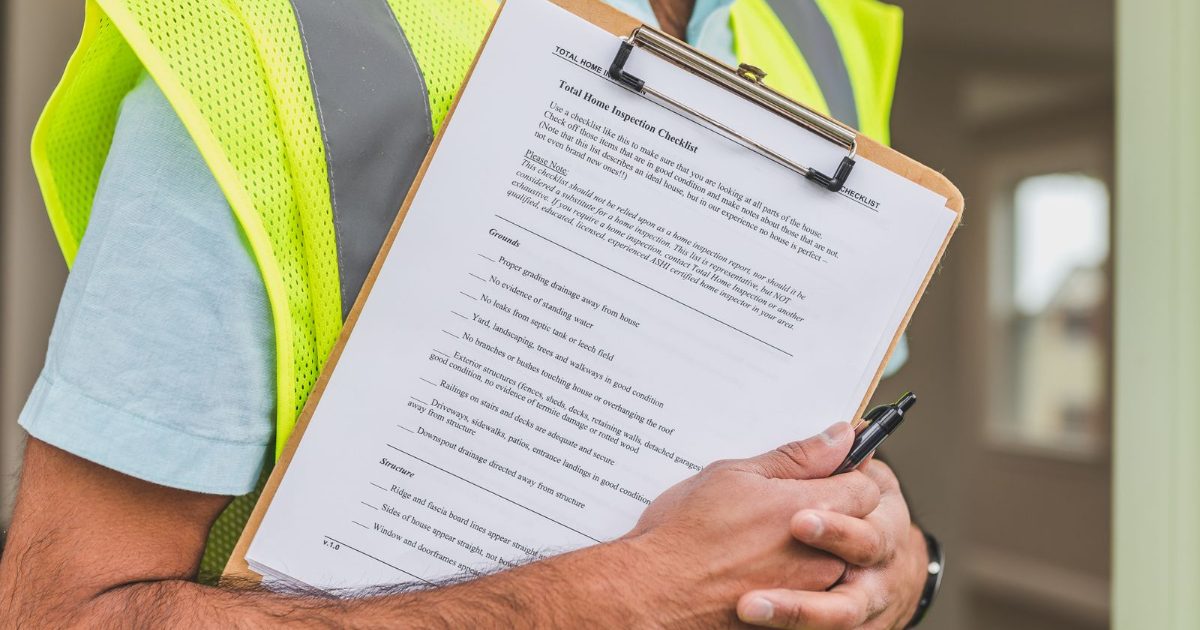
Fifteen questions to answer before buying a home generator: outages, sizing, fuel, gas meter, permits, warranty and maintenance, plus red flags to watch for in quotes.
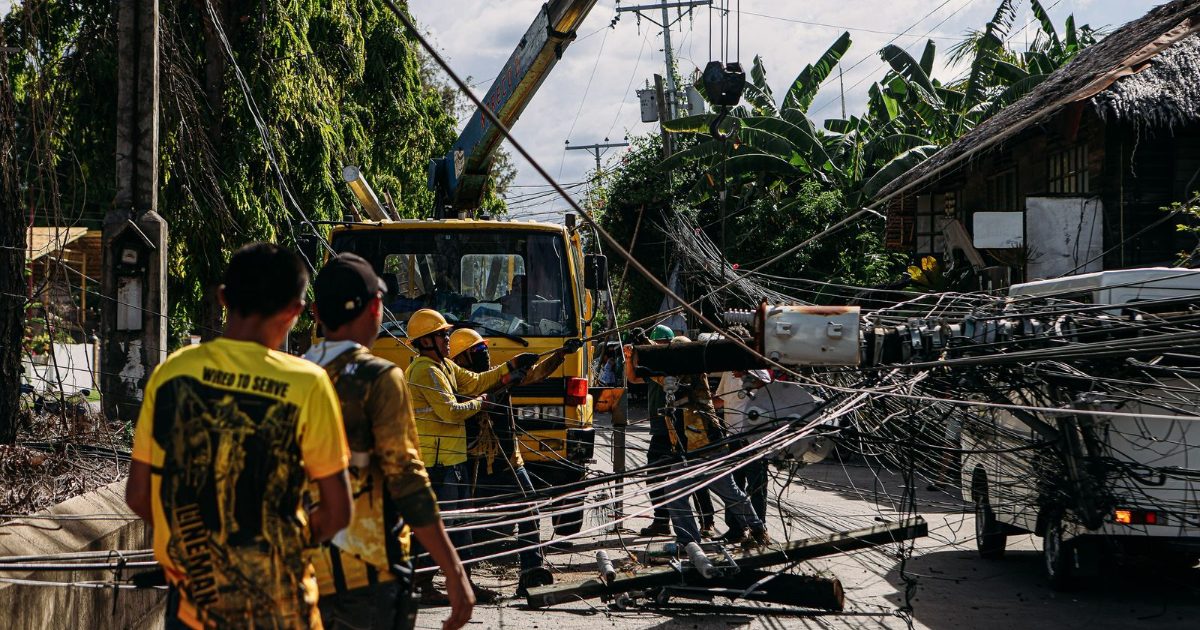
Hours without power in every U.S. state for 2023 and 2024, from official EIA data. Maine and South Carolina top the list; Arizona and South Dakota lose the least.
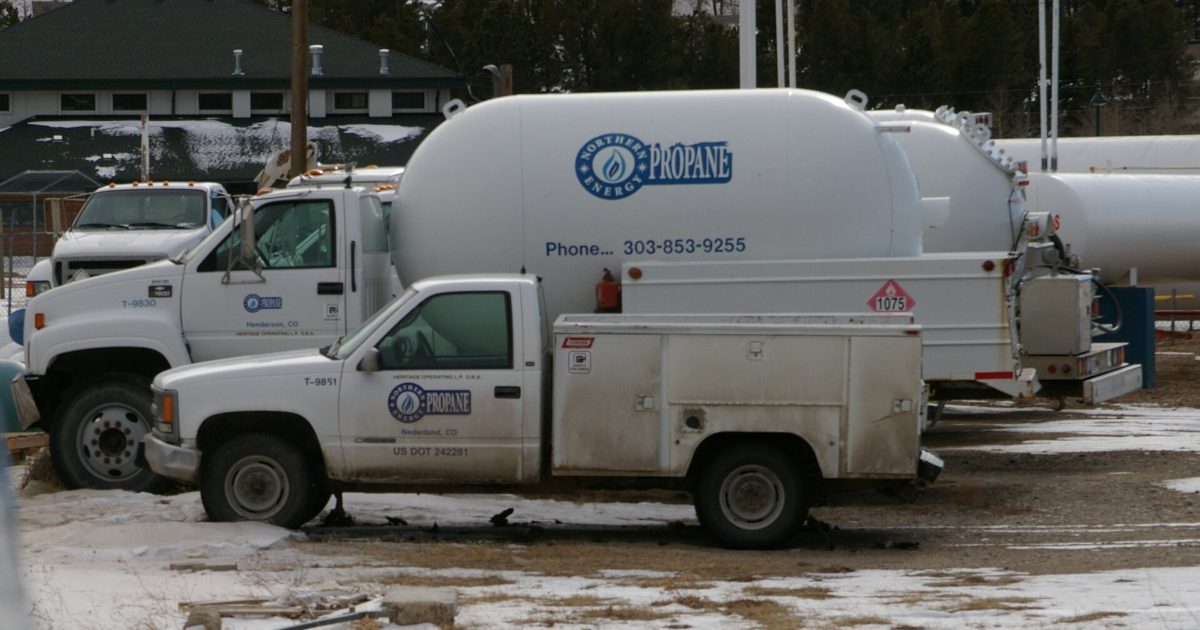
Natural gas costs about half as much per hour to run a standby generator and never runs out; propane works anywhere but needs a big tank. Costs, tank runtimes and meter checks.