Last verified: October 1, 2026
Short answer: the hands-on installation of a home standby generator usually takes one to two days. The whole process, from the first quote to a generator that starts by itself in an outage, more often takes several weeks to a few months. The installation day is rarely the bottleneck; permits, gas meter upgrades, equipment availability and inspections are. Connecting a portable generator through an interlock kit or transfer switch is much quicker: the electrical work itself is typically a few hours.
The full timeline, step by step
| Step | Typical time | What can slow it down |
|---|---|---|
| 1. Research and sizing | A few days | Not knowing your loads; use our size calculator |
| 2. Site visits and quotes | 1–3 weeks for several quotes | Storm season demand |
| 3. Load calculation and final design | Days | Questions about panel capacity or gas supply |
| 4. Permits (and HOA approval) | Days to several weeks | Local workload; HOA meetings |
| 5. Gas utility work, if a meter upgrade is needed | Weeks | Utility scheduling |
| 6. Equipment delivery | Days to weeks | Shortages after major storms |
| 7. Installation | Usually 1–2 days | Long gas or electrical runs, trenching, a poured pad |
| 8. Inspections | Days to weeks | Inspector availability; separate electrical and gas inspections |
| 9. Startup, activation and walkthrough | A few hours | Activation and Wi-Fi setup |
These are typical ranges based on how the process works; your installer should give you a realistic schedule for your area and season.
Why the gas meter is the usual delay
A standby generator is one of the biggest gas appliances a home can have. Generac’s brochure lists its 22 kW unit at up to 327 cubic feet of natural gas per hour at full load. Add a furnace, water heater and stove, and many residential meters are too small. If the meter or service line needs an upgrade, the gas utility does that work on its own schedule, and the installer can’t connect the generator until it is done. Ask about meter capacity at the very first site visit.
What happens on installation day
- Site preparation: the pad (composite or concrete) is set level at the agreed spot, respecting clearances from windows, doors and vents.
- Setting the unit: the generator is placed on the pad.
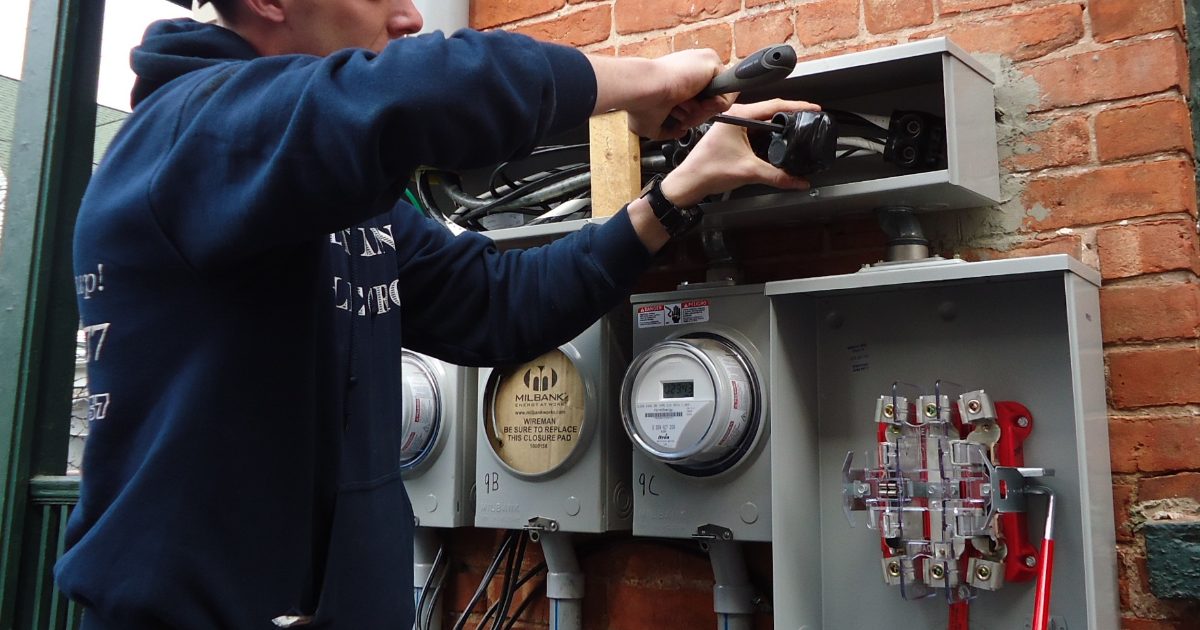
- Transfer switch: installed at or near the main panel. Utility power to the house is off for part of the day while this is done.
- Gas line: run from the meter or propane tank to the generator, connected and leak tested.
- Control and power wiring between generator and transfer switch.
- Startup: the unit is activated, run, tested under load, and the exercise timer is set.
- Walkthrough: the installer shows you the controller, Auto/Off/Manual modes, how to read alarms and how to use the app.
Plan to be home, keep pets inside, and expect a few hours without power. If someone at home depends on powered medical equipment, tell the installer in advance.
Portable generator connection: hours, not days
HomeGuide puts the typical professional installation of a transfer switch at 2 to 4 hours, with an interlock kit installed for about $400–$850 all in (HomeGuide). Add the time for a permit and inspection where your town requires them. Because the job is small, an electrician can often fit it in within a week or two, outside of storm season.
Example: a realistic spring timeline
| Week | What happens |
|---|---|
| 1 | Homeowner runs the calculator, contacts three dealers |
| 2–3 | Site visits, written quotes, contract signed |
| 3–5 | Permit application; utility asked to confirm gas meter capacity |
| 5–7 | Meter upgrade scheduled and completed; generator delivered |
| 8 | Installation (2 days); electrical and gas inspections booked |
| 9 | Inspections passed, unit activated and in Auto |
This example is illustrative. Without a meter upgrade it could be several weeks shorter; right after a hurricane, it could be much longer.
How to speed things up
- Buy out of season. Late winter and spring are calmer than late summer, when hurricane season peaks.
- Ask about the gas meter on day one. It is the most common long delay.
- Be flexible on brand or size if a model is out of stock.
- Start HOA approval in parallel with the permit application.
- Have documents ready: survey or plot plan, HOA rules, panel photos, gas bills showing your meter.
- Prepare for activation: have your Wi-Fi details and app login ready on installation day.
Red flags in the schedule
- An installer who promises a working generator “next week” without mentioning permits or the gas meter.
- Pressure to pay in full before permits are approved.
- No clear answer about who schedules and attends the inspections.
What the installer will need from you
A smooth installation depends partly on you. Before the site visit, gather a few things: photos of your electrical panel with the door open (including the label on the main breaker), the location and nameplate of your gas meter or propane tank, a plot plan or survey showing property lines if you have one, and your HOA’s rules on equipment and screening. Make a list of the appliances you want backed up, especially central air conditioners, well pumps and electric heat, because those decide the generator size and the type of transfer switch.
On installation day, clear a path from the driveway to the generator location, move cars and outdoor furniture, and make sure the installer can reach the panel and the gas meter. If the generator needs Wi-Fi for monitoring, check that your router’s signal reaches that side of the house; a weak signal is a common reason the app never connects.
Frequently asked questions
Can the generator be used before the inspection?
Rules vary, but in many places it should not be put into service until it passes inspection. Ask your installer and permit office.
Will I lose power during installation?
Usually yes, for part of the day while the transfer switch is connected to your main service.
How long does it take to get a quote?
Most installers need a site visit to measure distances, check the panel and gas meter and agree on placement. Expect a written quote within a few days of the visit.
Bottom line
Plan for weeks, not days. Start early, ask about the gas meter at the first visit, and use our questions to ask a generator installer and permit guide to keep the process moving.