Last verified: October 1, 2026
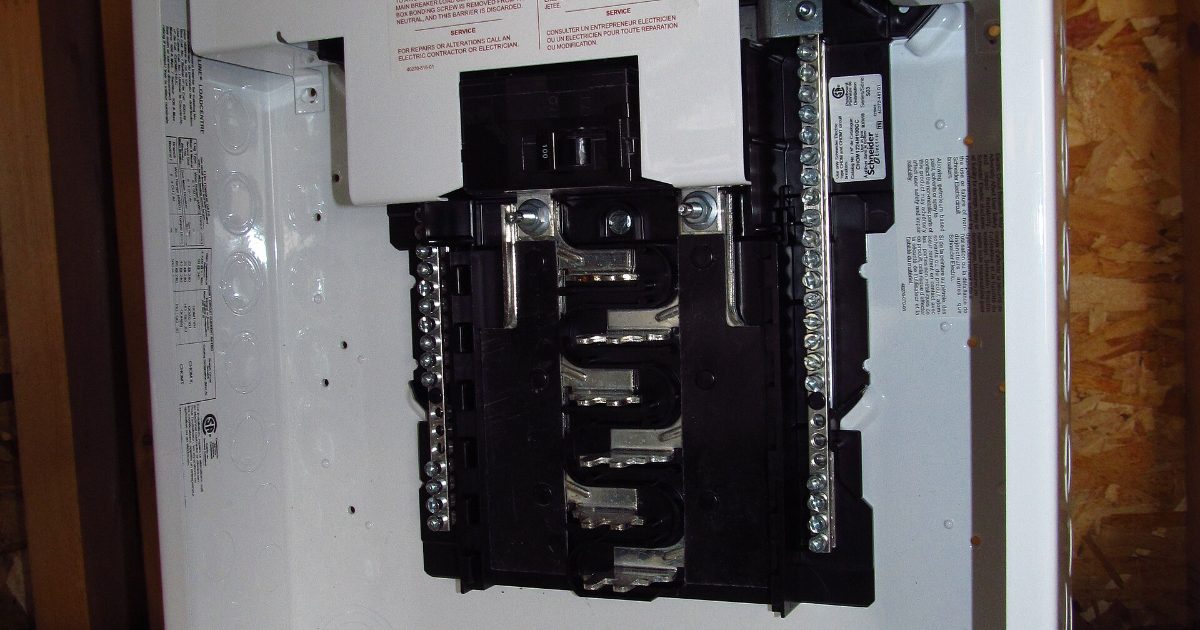
Both an interlock kit and a manual transfer switch let you power your home’s wiring from a portable generator safely. An interlock kit is usually cheaper and lets you choose any circuit in your panel; a transfer switch costs more but is simpler to use and works with any panel. Neither is a do-it-yourself job: both must be installed by a licensed electrician, usually with a permit.
Cost and features compared
| Interlock kit | Manual transfer switch | |
|---|---|---|
| Installed cost | $400–$850 | $400–$1,300 |
| What it is | A metal plate on your main panel that makes it impossible to turn on the generator breaker while the main breaker is on | A separate small panel with its own switches for selected circuits |
| Circuits you can power | Any circuit in the panel, chosen during the outage | Only the circuits wired to it (often 6–10) |
| Panel compatibility | Must be made and listed for your specific panel model | Works with most panels |
| Free breaker space needed | Yes, for the generator back-feed breaker, near the main | Not usually |
| Ease of use | Turn off main and other breakers, slide plate, turn on generator breaker, then circuits one by one | Flip the switches for the circuits you want |
| Risk of overloading the generator | Higher: you can switch on more than the generator can handle | Lower: only pre-selected circuits |
Both also need a power inlet box outside the house ($20–$100 for the box) and a generator cord. Costs: HomeGuide (2026).
How each one keeps you safe
The danger they prevent is backfeeding: generator power flowing out of your house into the utility lines, where it can electrocute line workers, or utility power returning and hitting your generator. A transfer switch physically connects each circuit to either the utility or the generator, never both. An interlock achieves the same thing mechanically: the main breaker and the generator breaker can never be on at the same time.
When an interlock kit makes sense
- Your panel has a listed interlock kit available and space for the generator breaker.
- You want flexibility: the furnace this outage, the well pump the next.
- You’re comfortable managing loads so you don’t overload the generator.
- You want the lowest-cost safe connection.
When a manual transfer switch makes sense
- No listed interlock exists for your panel, or the panel is full.
- Other family members will run the generator and need something simple and hard to get wrong.
- You want to power a short, fixed list of essentials.
Using an interlock correctly during an outage
- Set up the generator outdoors, at least 20 feet from the house, away from windows, doors and vents (CPSC).
- Connect the generator cord to the inlet box, then to the generator.
- Turn off the main breaker and all branch breakers.
- Slide the interlock plate and turn on the generator breaker.
- Start the generator and let it stabilize.
- Turn on circuits one at a time, starting with the most important and largest motors (well pump, fridge), staying within the generator’s rating.
- When utility power returns: turn off the generator breaker, slide the plate back, turn on the main, then shut down the generator.
Print these steps and tape them inside the panel door. Everyone in the house who might run the generator should practice once before storm season.
Cost comparison for a typical home
| Item | Interlock route | Manual transfer switch route |
|---|---|---|
| Hardware + labor | $400–$850 installed | $400–$1,300 installed |
| Power inlet box | $20–$100 | $20–$100 |
| Generator cord | $30–$350 | $30–$350 |
| Permit | Often required; varies locally | Often required; varies locally |
Ranges from HomeGuide’s transfer switch cost data. Prices depend on your panel, the distance to the inlet box location and local labor rates.
Which circuits to power first
With an interlock, you decide which breakers to turn on, so make a plan before the outage. A typical order:
- Refrigerator and freezer.
- Sump pump (in a storm) or well pump.
- Furnace (gas furnace blower and controls) in winter.
- One or two lighting circuits and the circuit with your internet router.
- Kitchen outlets for a microwave or coffee maker, one at a time.
Add up running watts as you go and stay below about 90% of the generator’s running rating. Leave headroom for the start-up surge of motors. Our calculator can help you check a combination before the storm.
Labeling and practice
Ask the electrician to label the generator breaker and the circuits you plan to use. Then do a dry run on a sunny day: connect the generator, follow the steps, power your essentials, and switch back. Families who practice once are far less likely to make mistakes in the dark.
What about automatic switches?
Automatic transfer switches are used with standby generators, which start on their own. If you are considering one, compare the whole setup in Standby vs Portable Generator.
Frequently asked questions
Is an interlock kit legal everywhere?
Listed interlock kits designed for your specific panel are widely accepted, but rules are set locally. Your electrician and permit office will confirm what’s allowed where you live.
Can I install an interlock kit myself?
It involves working inside your main electrical panel, so it should be done by a licensed electrician, usually with a permit and inspection.
Which is easier for the rest of the family?
A manual transfer switch: each circuit has its own clearly labeled switch, so there’s less to get wrong. With an interlock, follow a printed checklist taped inside the panel door.
Never use a “suicide cord”
A double-male cord plugged into a dryer or wall outlet is illegal in many places, dangerous to utility workers and can start fires. If an electrician suggests it, find another electrician.