
Home Generator vs Battery Backup: Real Costs and Runtime Compared

A 13.5 kWh home battery costs about $15,600 installed and covers hours of essentials; a standby generator runs for days. Runtime tables and when each one makes sense.
A 13.5 kWh home battery costs about $15,600 installed and covers hours of essentials; a standby generator runs for days. Runtime tables and when each one makes sense.
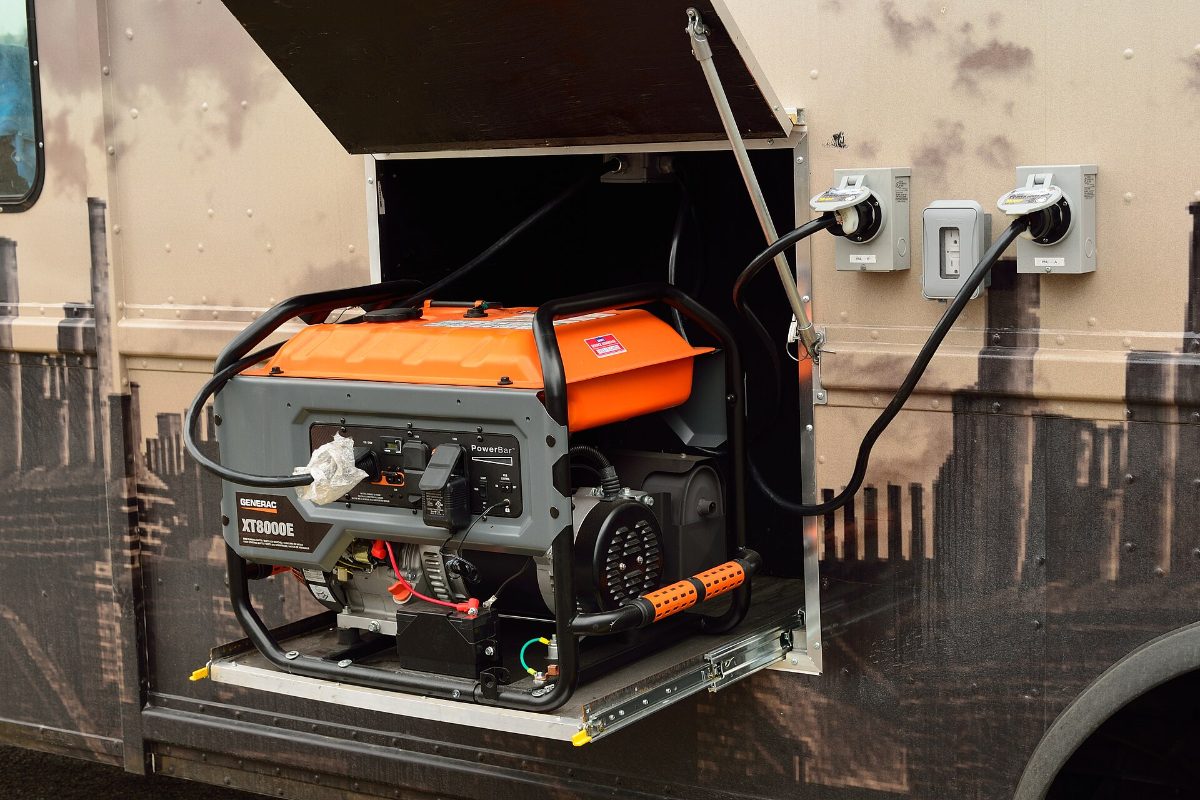
Standby generators start themselves and run for days; portables cost a fraction of the price but need you to fuel and connect them. Costs, safety and a 5-year comparison.

Questions about licensing, sizing, gas meter, transfer switch, permits, warranty and storm-season service to ask every generator installer, plus a quote comparison table.
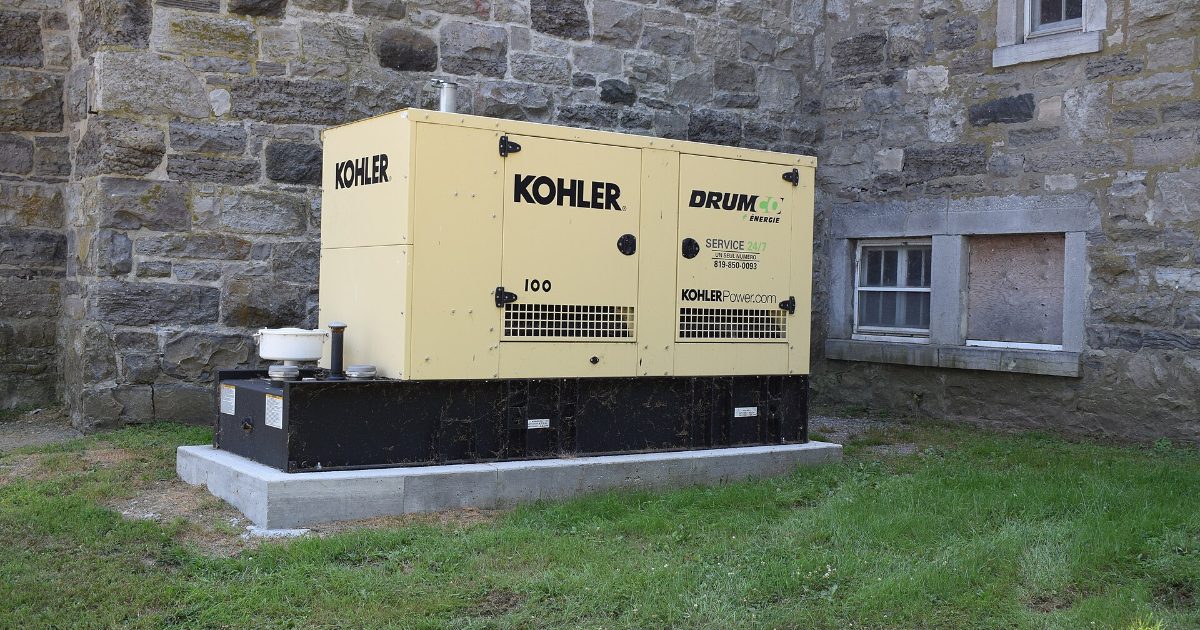
A whole house generator is worth it when outages are long, when you rely on a well or sump pump, or when you work from home. Real installed costs, fuel per day and three worked examples.

Run portable generators outdoors, more than 20 feet from windows, doors and vents, with battery-backed CO alarms inside. The data, the distances and a safe setup plan.
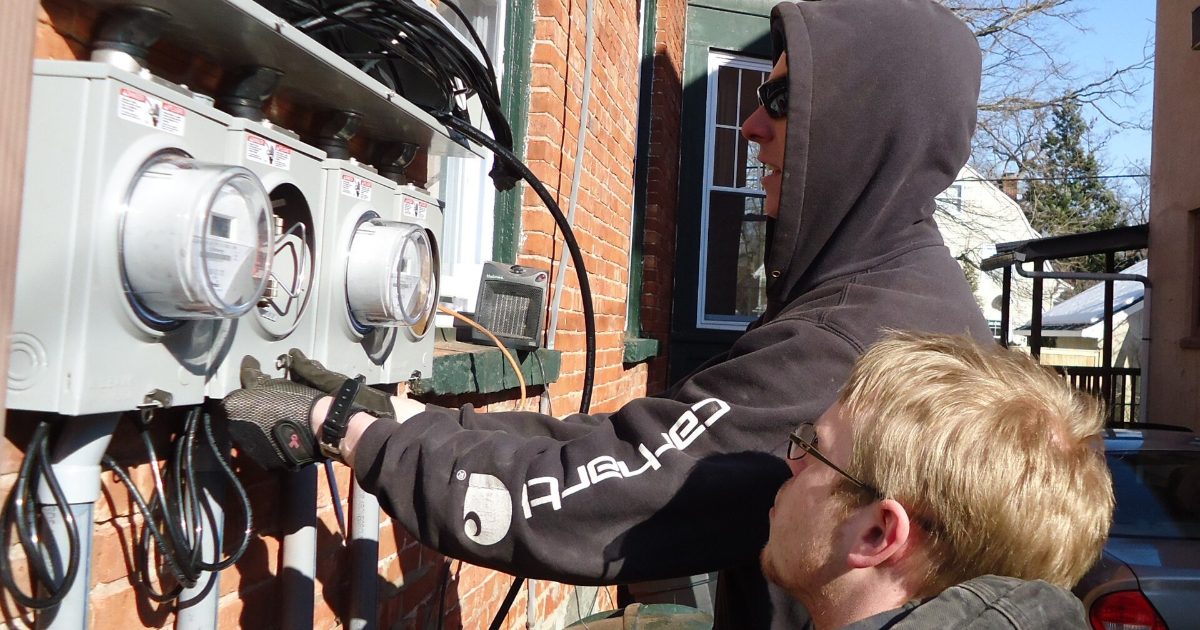
Almost every U.S. jurisdiction requires electrical and gas permits plus an inspection for a standby generator. Which permits, who pulls them, what inspectors check and typical clearance rules.

A transfer switch safely moves your home from utility to generator power. Manual vs automatic switches, whole-house vs essential circuits, sizing and installed costs.
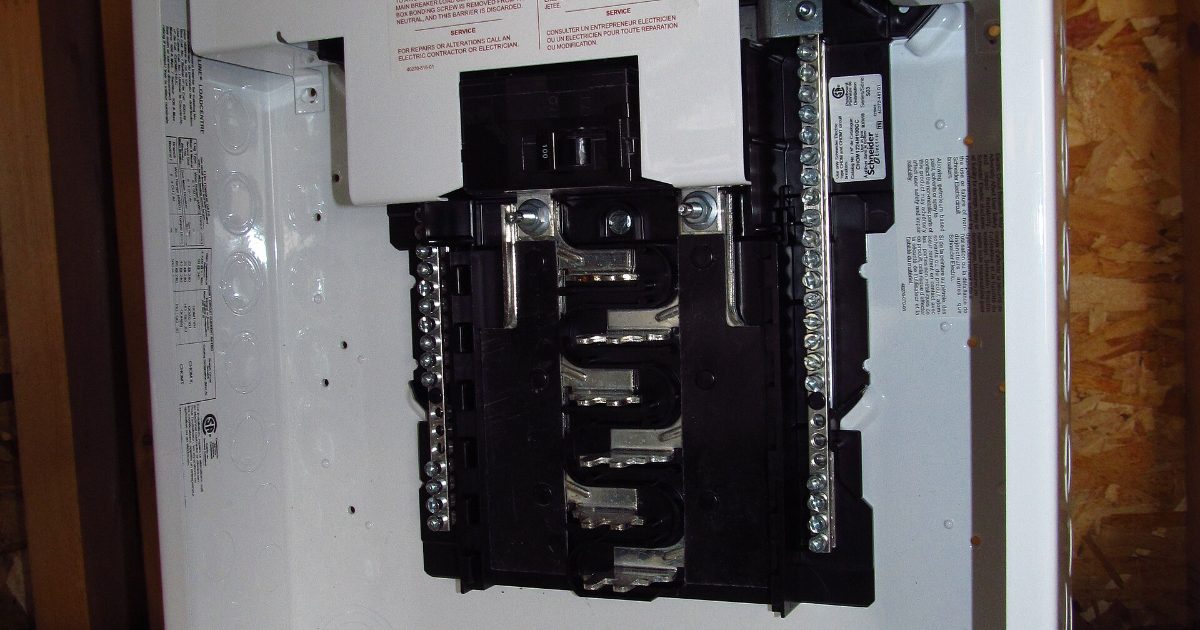
An interlock kit ($400–$850 installed) is the cheaper, flexible way to connect a portable generator; a manual transfer switch ($400–$1,300) is simpler to use. How they compare and how to use them safely.
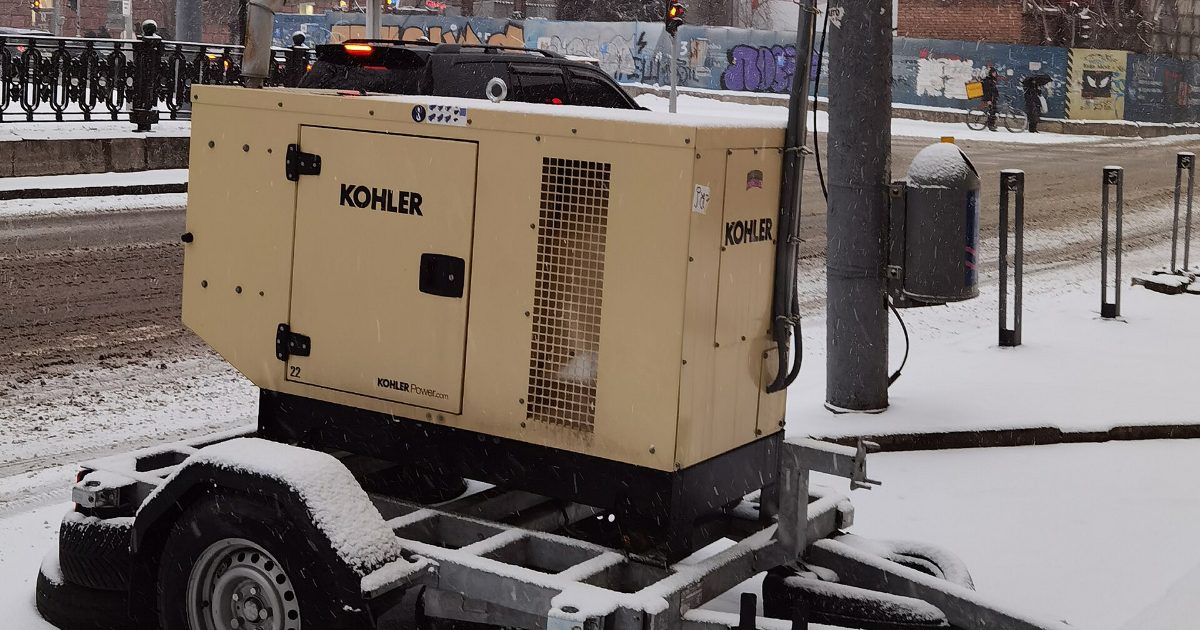
Kohler’s 26 kW unit delivers more power on natural gas; Generac has the larger dealer network. Spec-by-spec comparison of output, fuel use, noise, enclosure and warranty.
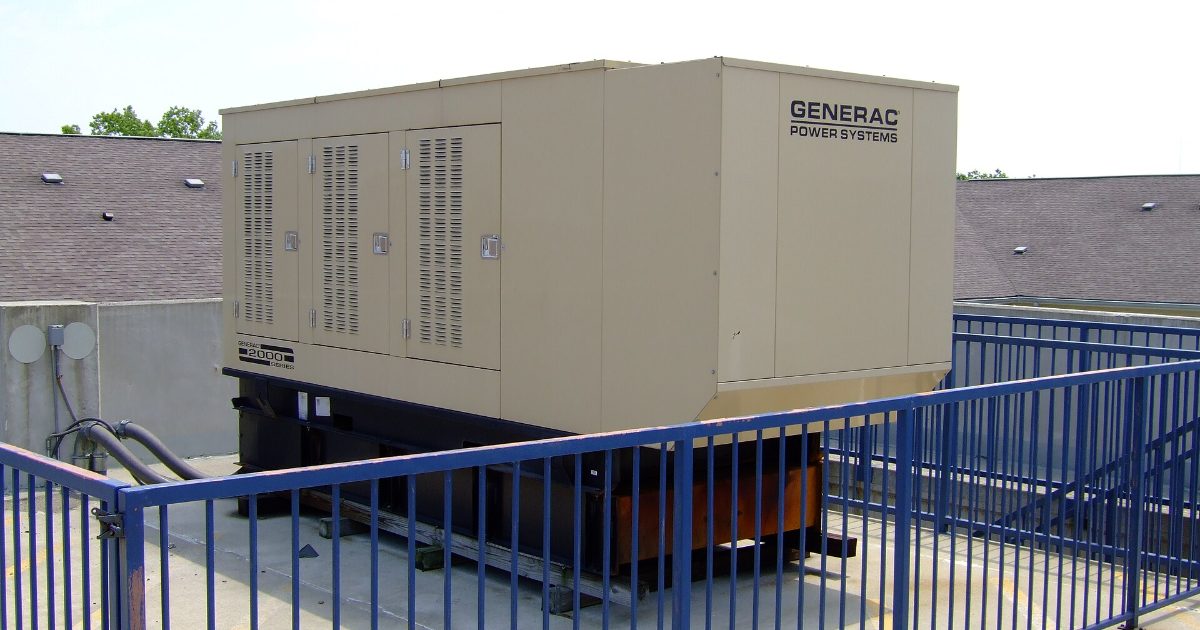
Generac, Kohler, Briggs & Stratton, Cummins and Champion compared on warranty, sizes, natural gas output, noise and dealer support, and what really matters when choosing.